Romantic sculpture represents a vital yet somewhat understated chapter in 19th-century art history. While Romantic painting flourished vibrantly across Europe, sculpture evolved more gradually, on a smaller scale, and primarily within France. Spanning roughly from the late 18th century to the mid-19th century (ca. 1790–1850), with its golden era during the July Monarchy (1830–1850), this movement emphasized raw emotion over classical restraint.
What are the origins and development of Romantic sculpture?
The origins of Romantic sculpture were deeply influenced by the French Revolution (1789) and its subsequent political turmoil. Neoclassicism reached its peak during the Napoleonic era, emphasizing rationality, order, idealized classical forms, and heroism. However, with the collapse of the Napoleonic Empire, the Bourbon Restoration, and social upheavals, artists began to pursue the liberation of emotion, the expression of individuality, the worship of nature, and the expression of the “sublime”—including terror, wildness, passion, and uncontrollable power. This stood in stark contrast to the rationalism of the Enlightenment.
In the field of sculpture, Romanticism emerged later than painting, primarily because sculpture involved high material costs, long production cycles, and a strong public element, making it more strictly controlled by academics and official salons. Early Romantic sculptures often blended with Neoclassicism (e.g., Rude’s works combine classical composition with romantic passion). The true peak occurred around the time of the July Revolution of 1830, when French sculptors boldly expressed revolutionary fervor, personal passion, exotic themes, animalistic wildness, and dramatic tension through salon exhibitions, rebelling against the static balance of Classicism.
What are the core characteristics of Romantic sculpture?
Intense emotional expression: exaggerated expressions, distorted bodies, dynamic drapery.
Dramatic and kinetic: group figures full of tension, as if ready to erupt at any moment.
Worship of nature: especially primal power, wildness, and “terrible beauty.”
Rebellion against classical idealism: rejecting tranquility, pursuing genuine passion and sensual stimulation.
By the mid-to-late 19th century, it gradually transitioned towards Realism (Rodin’s early works still retain Romantic elements), Academicism, and Symbolism.
What are some representative works of Romantic sculpture?
Below are core works of French Romanticism sculpture, ranked by importance and representativeness. Each includes the name of the sculpture, the artist, creation date/location, and key features.
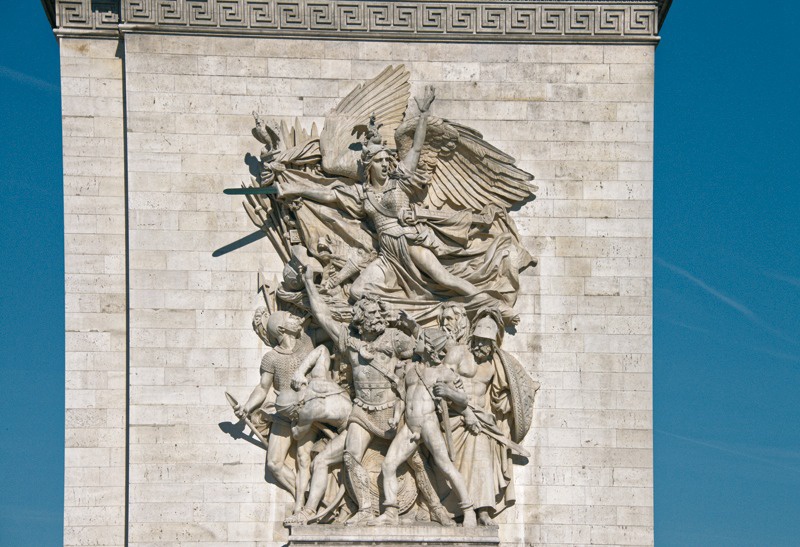
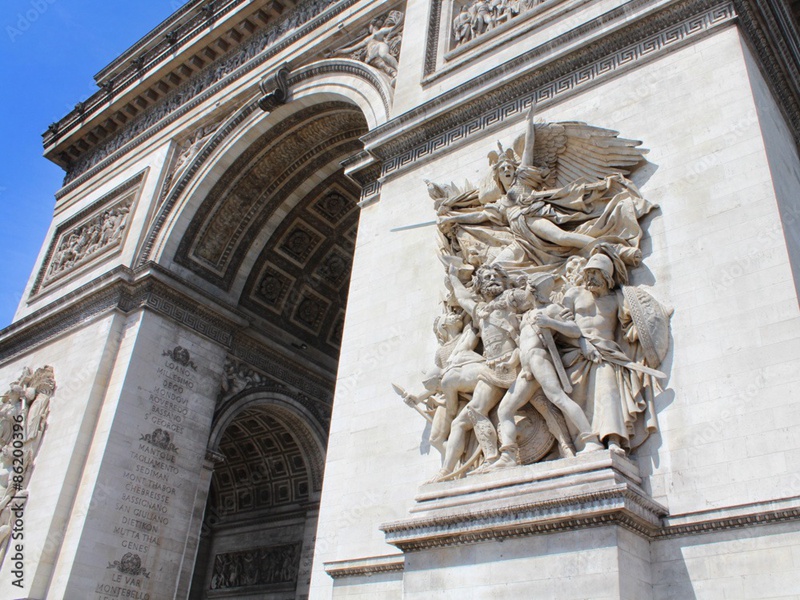
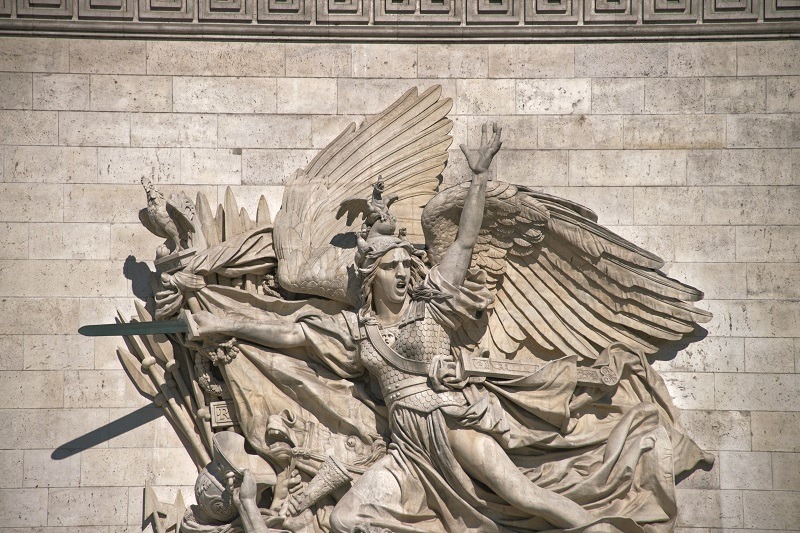
1. “La Marseillaise” (The Departure of the Volunteers of 1792)
- Artist: François Rude
- Date: 1833–1836
- Location: East side of the Arc de Triomphe, Paris (large high-relief)
- Features: This is the most iconic and representative masterpiece of French Romanticism sculpture. The Victory Goddess (or Liberty) raises her arm and leads a group of revolutionary fighters to the battlefield. The figures exhibit extreme passion, flying drapery, and intense bodily dynamics, embodying patriotic fervor and dramatic tension. Rude combines classical composition with Romantic emotion, making it a symbol of the Romanticism sculpture movement.
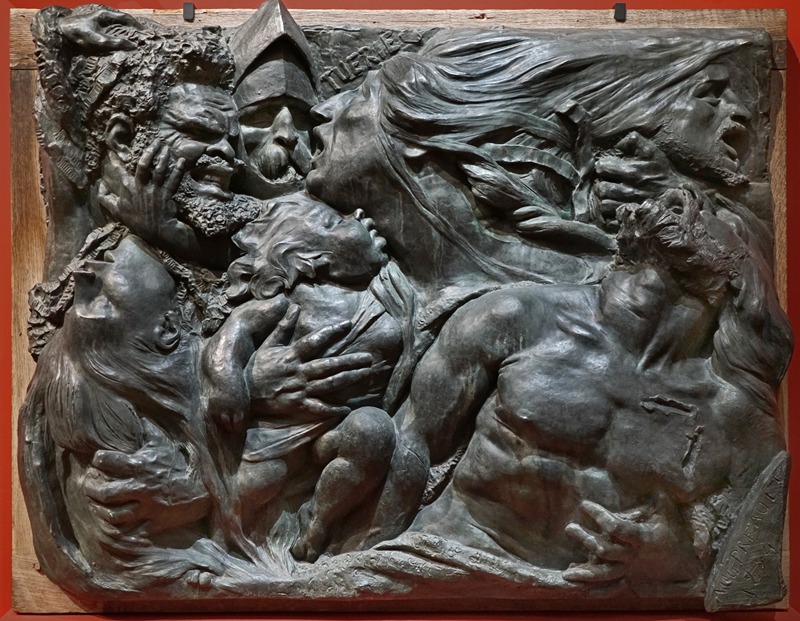
2. “Massacre” (Tuerie)
- Artist: Auguste Préault
- Date: 1834 (plaster relief, later banned for many years)
- Location: Initially exhibited at the Paris Salon; now mostly replicas or related series exist.
- Features: Extremely exaggerated expressions, twisted bodies, and a strong sense of tragedy and violence, embodying “terribilità” (terrible beauty). Préault is regarded as the most “pure” Romantic sculptor, with works rich in modernity, emphasizing the dark side of war, death, and human passion. His work represents the most complete rebellion against classical harmony.
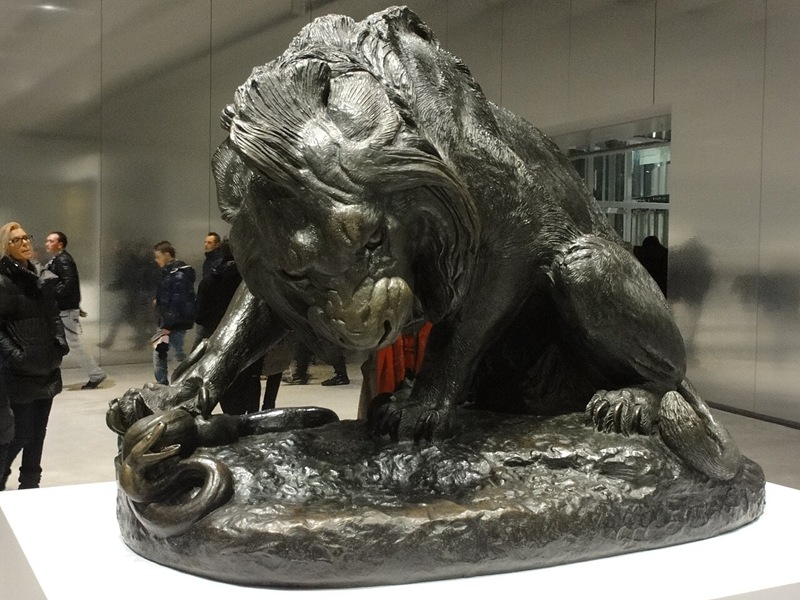
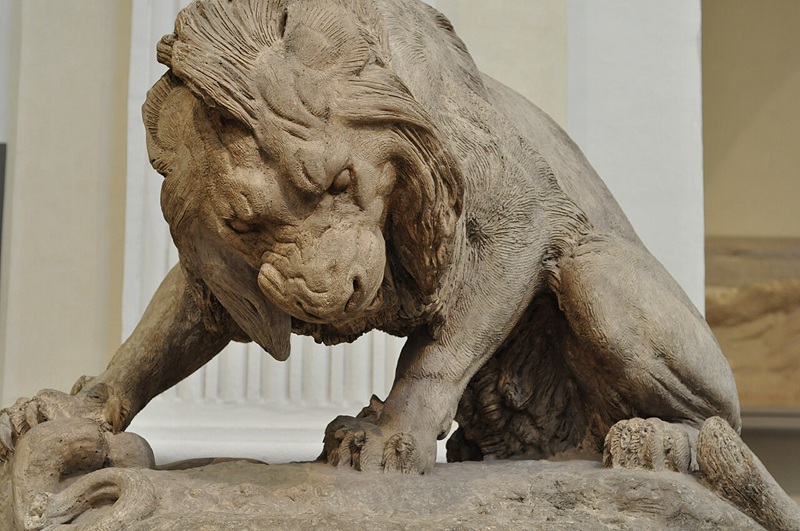
3. “Lion and Serpent” (Lion et Serpent)
- Artist: Antoine-Louis Barye
- Date: Circa 1835 (bronze)
- Other Works: “Tiger Surprising an Antelope”(1835–1836) and “Jaguar Attacking a Hare”
- Location: Many pieces are housed in the Louvre, Musée d’Orsay, or private collections.
- Features: Barye elevated animal sculpture to the same artistic status as human figures, emphasizing primal power, wildness, and the sublime and brutal aspects of nature. His works capture the dynamic tension of predatory moments with anatomical precision, embodying Romanticism aesthetics of the “sublime”—a reverence and fascination for violent natural forces. Barye essentially pioneered the “animal sculptor” genre unique to Romanticism.
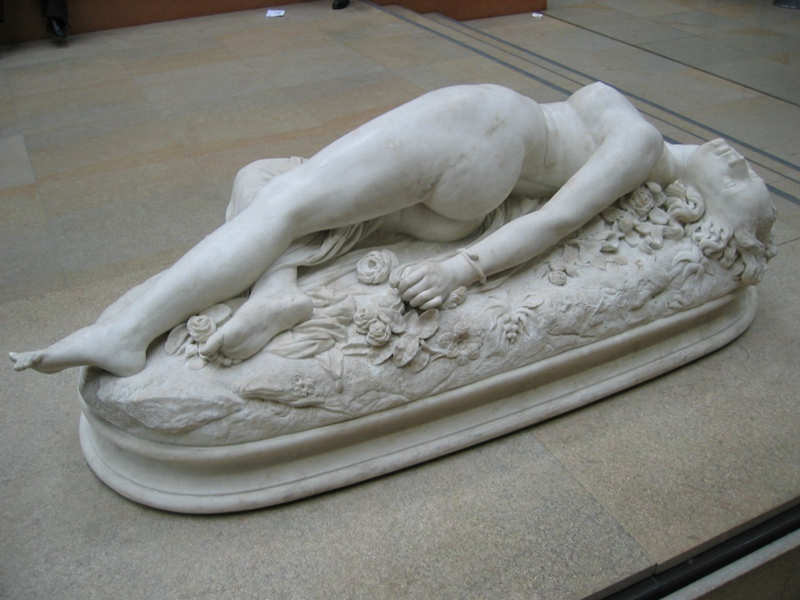
4. “Woman Bitten by a Snake” (Femme piquée par un serpent)
- Artist: Jean-Baptiste Clésinger
- Date: 1847
- Location: Musée d’Orsay, Paris (marble original)
- Features: A highly realistic, near-erotic depiction of a female nude writhing in pain, filled with sensory stimulation and morbid beauty. When exhibited at the 1847 Salon, it caused a major controversy and is considered a transitional piece between Romanticism and Aestheticism/Decadence, emphasizing the interplay between physical suffering and sensuality.
Other Prominent Sculptors and Works
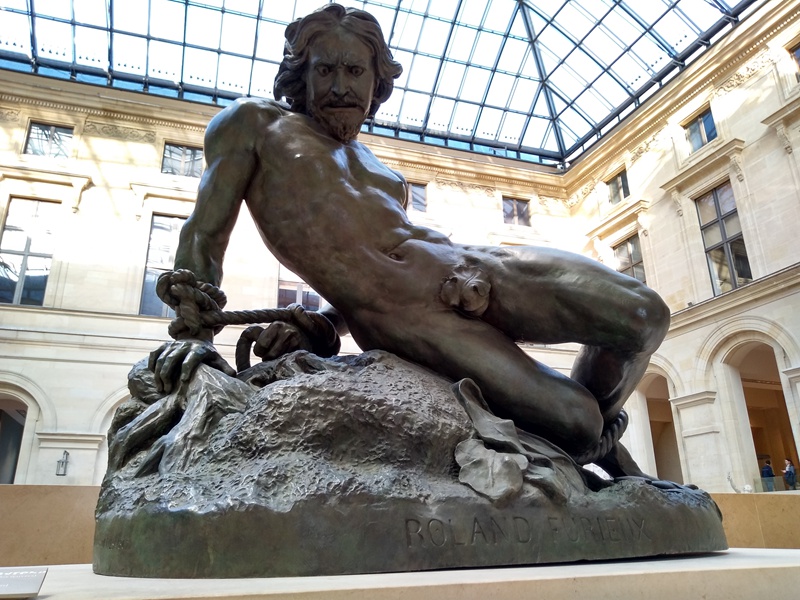
- Jehan Duseigneur: “Roland Furieux”—a highly literary and dramatic work inspired by Ariosto’s epic.
- Théodore Géricault(better known as a painter but also a sculptor): Small sculptures like “Flayed Horse” and “Satyr and Nymph”, filled with anatomical tension and dark passion.
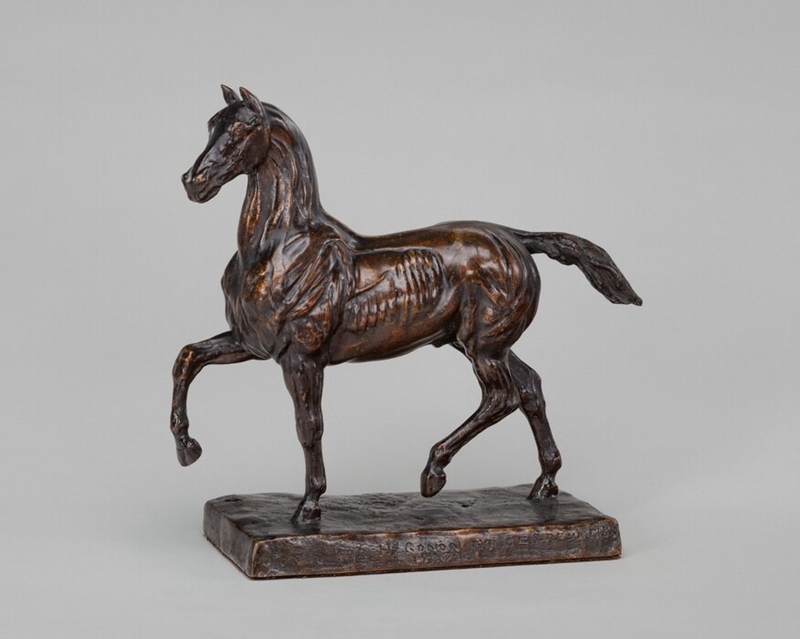
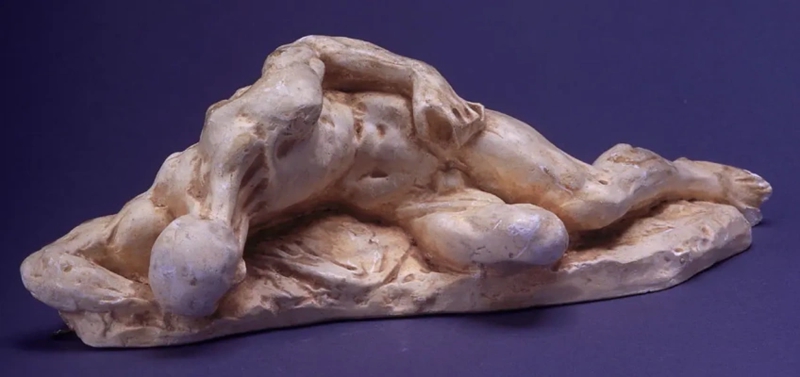
Although Romanticism sculpture did not flourish as widely as painting, it left a profound mark in France. These works, through their passion, dynamism, and pursuit of the “terrible sublime,” signify a pivotal shift in sculpture—from classical ideals to the modern expression of emotions.
Romantic Marble Sculpture in Decorative Spaces
In the 19th century, Romantic ideals also permeated decorative marble sculpture designed for elegant interiors and gardens. While monumental public works captured revolutionary fervor, smaller-scale marble pieces—often featuring romantic couples, mythological lovers, allegorical figures, or sensuous nudes—brought emotional depth, dramatic movement, and timeless elegance to private salons, grand halls, and outdoor settings. These works, frequently executed in luxurious white Carrara or colored marbles, evoked passion, tenderness, and the sublime in more intimate contexts, adorning aristocratic homes, palaces, and estates as symbols of refined sensibility.
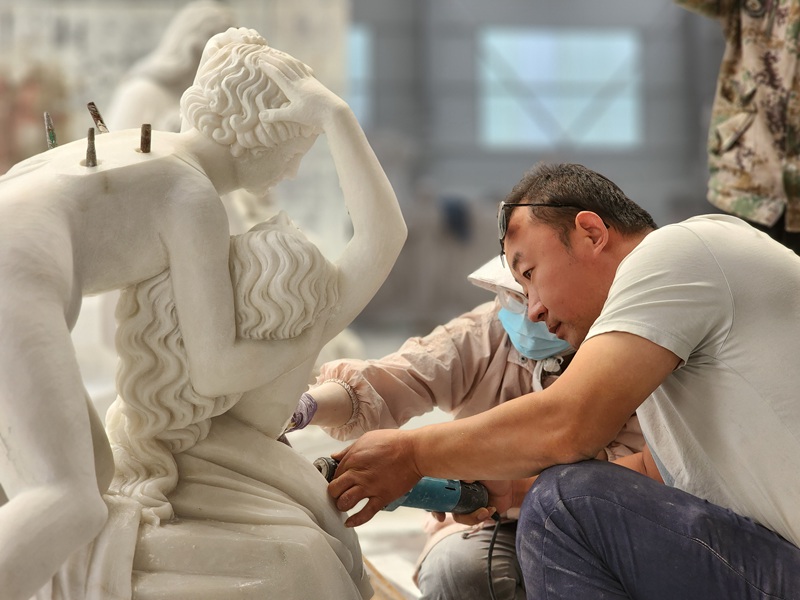
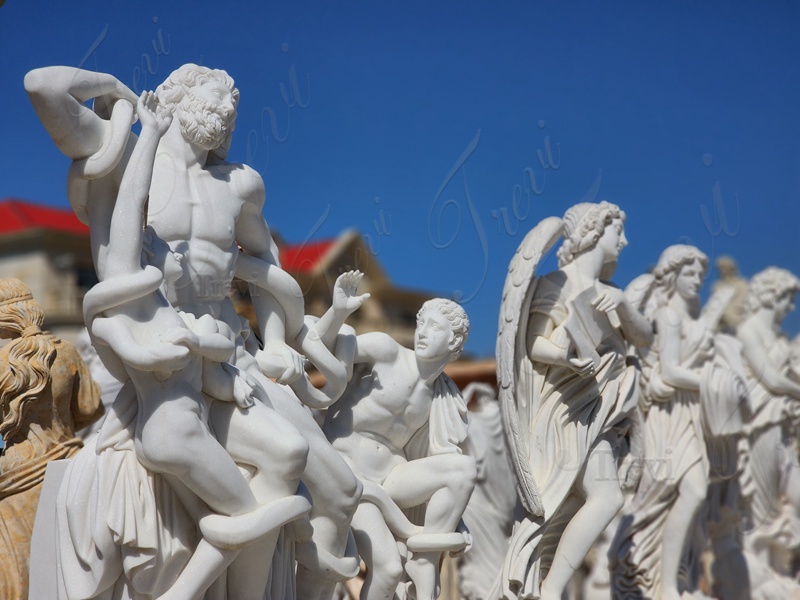
Our factory specializes in high-end marble sculptures inspired by such classical and Romantic traditions. To learn more about our custom offerings or discuss your project, please feel free to contact us—we welcome inquiries and look forward to bringing timeless Romantic elegance to your environment!