Roman art is renowned for its ability to blend Greek-inspired aesthetics with a stronger focus on realism and political symbolism. Roman female statues, in particular, go beyond idealized beauty to convey deep messages about power, morality, and family values. In this blog, we’ll explore nine iconic Roman female sculptures that continue to captivate audiences around the world. But first, let’s understand how Roman female sculptures differ from their Greek predecessors.
How Roman Female Sculptures Differ from Greek Sculptures
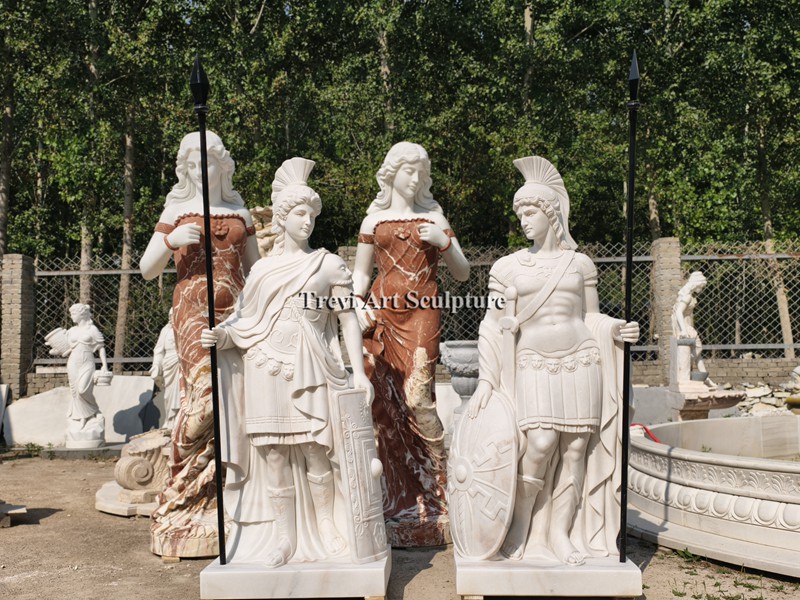
While Greek sculptures often idealized the human form and celebrated beauty for its own sake, Roman female sculptures leaned more toward realism and storytelling. Greek works, like those of Aphrodite or Athena, emphasized perfection and balanced proportions, focusing on divine elegance. In contrast, Roman statues captured individual character, age, and emotions, often depicting prominent women in ways that highlighted their roles in society or politics.
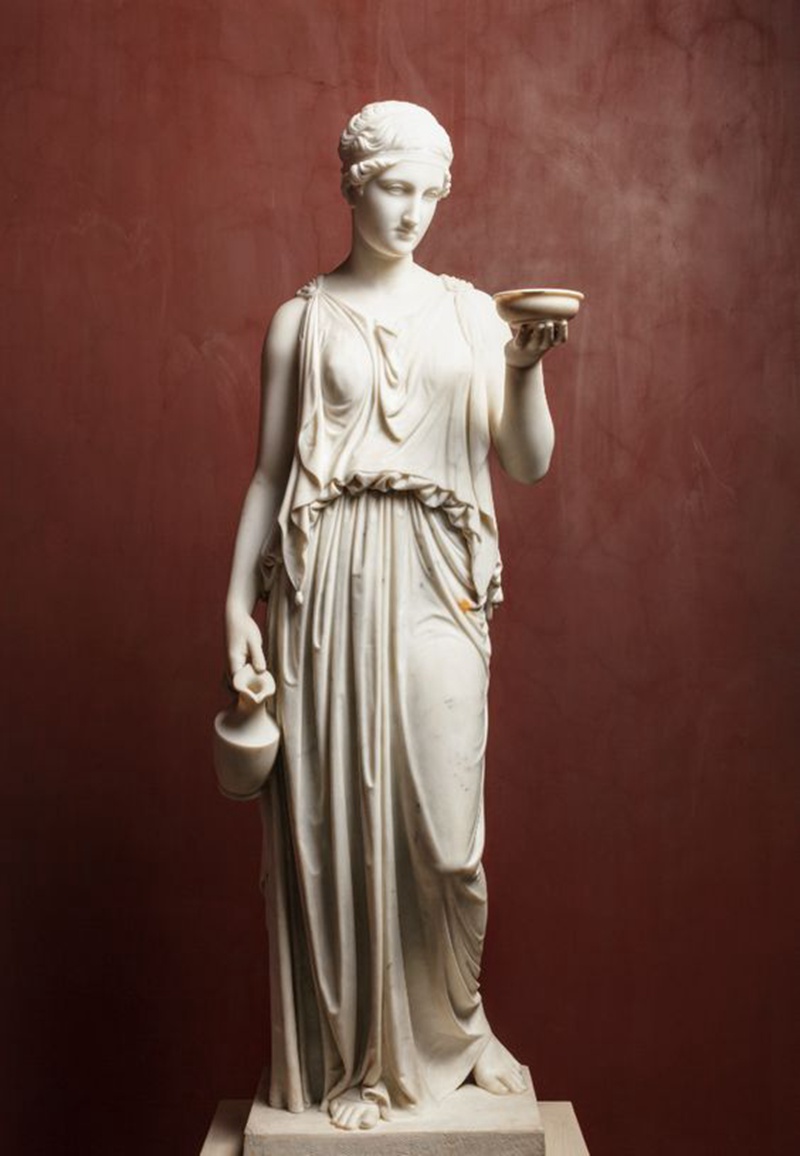
Roman female statues also incorporated symbolic elements, such as specific hairstyles, clothing, or gestures, to express virtues like modesty, loyalty, or authority. These sculptures often served as propaganda tools, immortalizing the power and influence of empresses and noblewomen.
Now, let’s take a closer look at nine of the most famous Roman female statues.
1. Ludovisi Juno
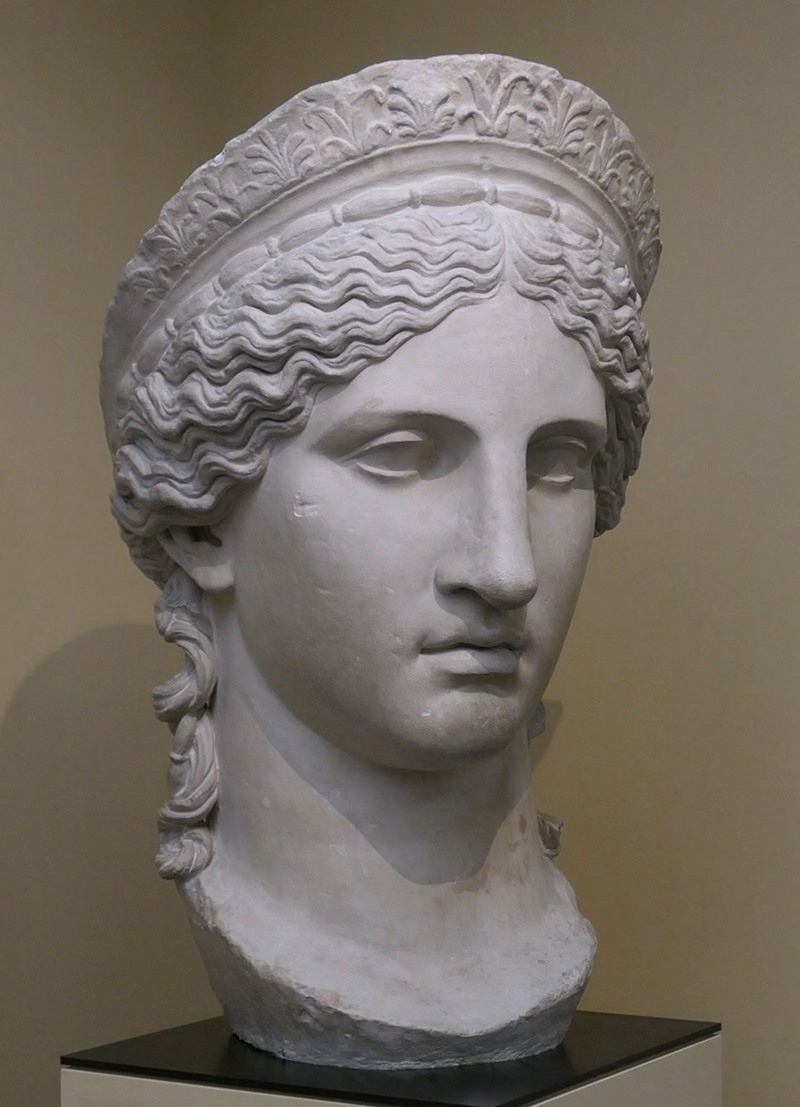
This massive marble head was long thought to represent the goddess Juno, but scholars now believe it may depict a deified Roman empress. Known for its dignified and divine expression, the sculpture is a masterpiece of classical beauty and remains a symbol of Roman idealism.
2. Capitoline Venus
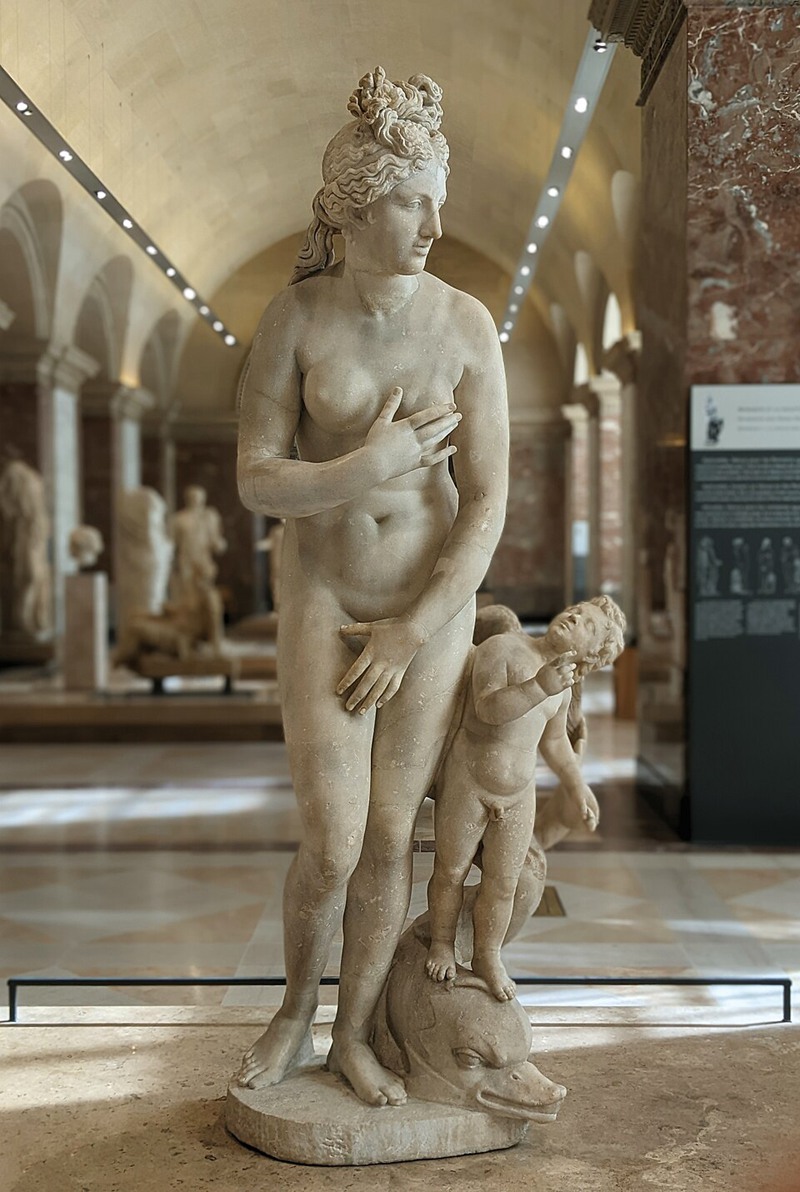
A variation of the “Venus Pudica” (Modest Venus) type, the Capitoline Venus shows the goddess emerging from her bath, using her hands to cover herself. This sculpture reflects the Roman fascination with the human form, showcasing graceful curves and perfect proportions while maintaining an air of modesty.
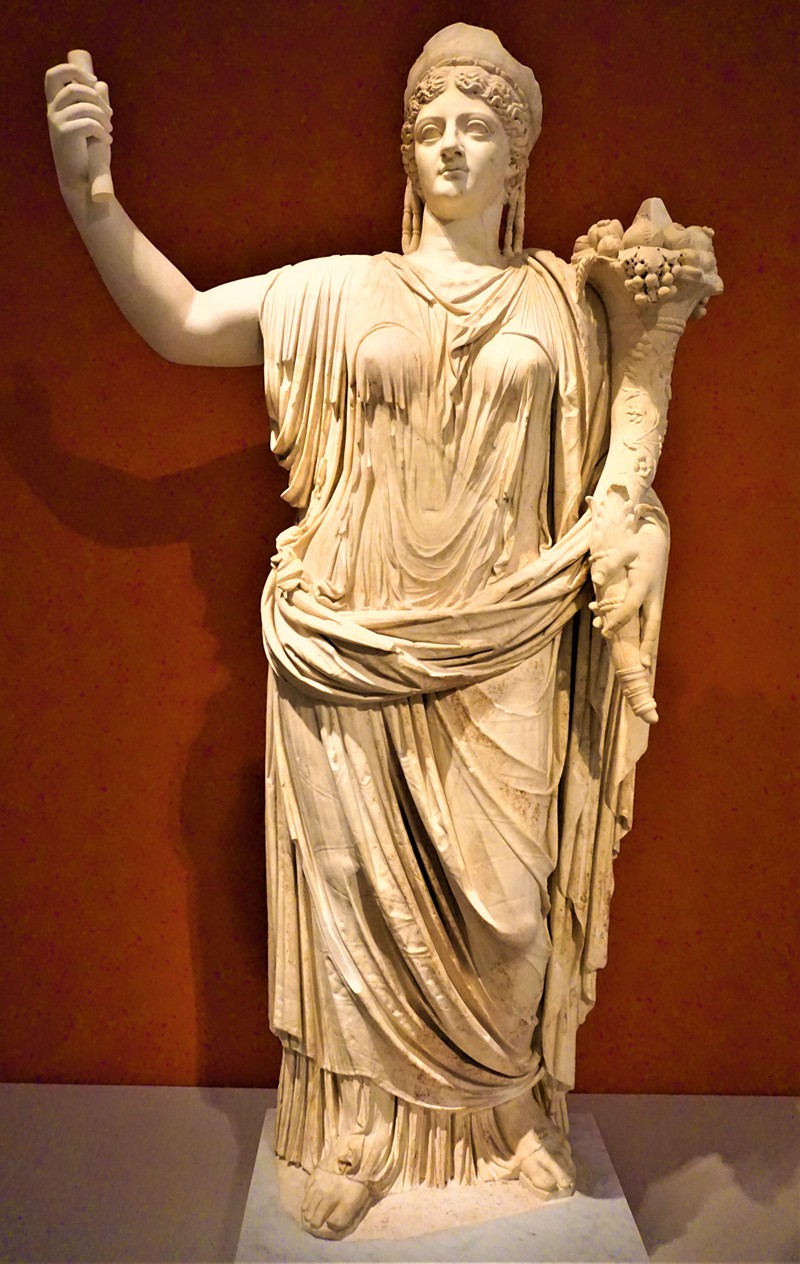
3. Statue of Deified Empress Livia
Livia, wife of Emperor Augustus, was one of the most powerful women of the Roman Empire. Her statue portrays her as serene, youthful, and dignified, embodying the ideal image of a matron and “mother of the empire.” This sculpture set the standard for early imperial female portraits.
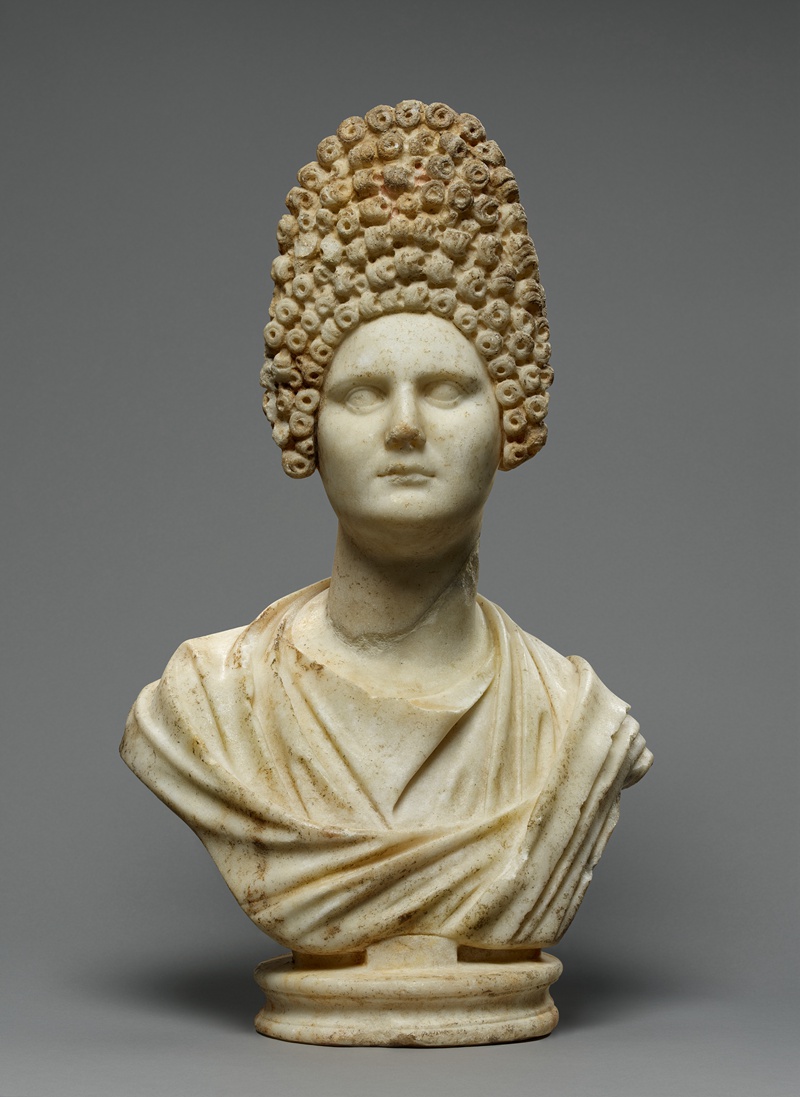
4. Bust of a Flavian Woman
This famous bust is celebrated for its intricate hairstyle, with curls stacked in elaborate layers resembling clouds. It highlights the advanced drilling techniques of Roman sculptors and the beauty standards of the Flavian dynasty’s aristocracy. The work is a testament to the artistic and technical sophistication of Roman portraiture.
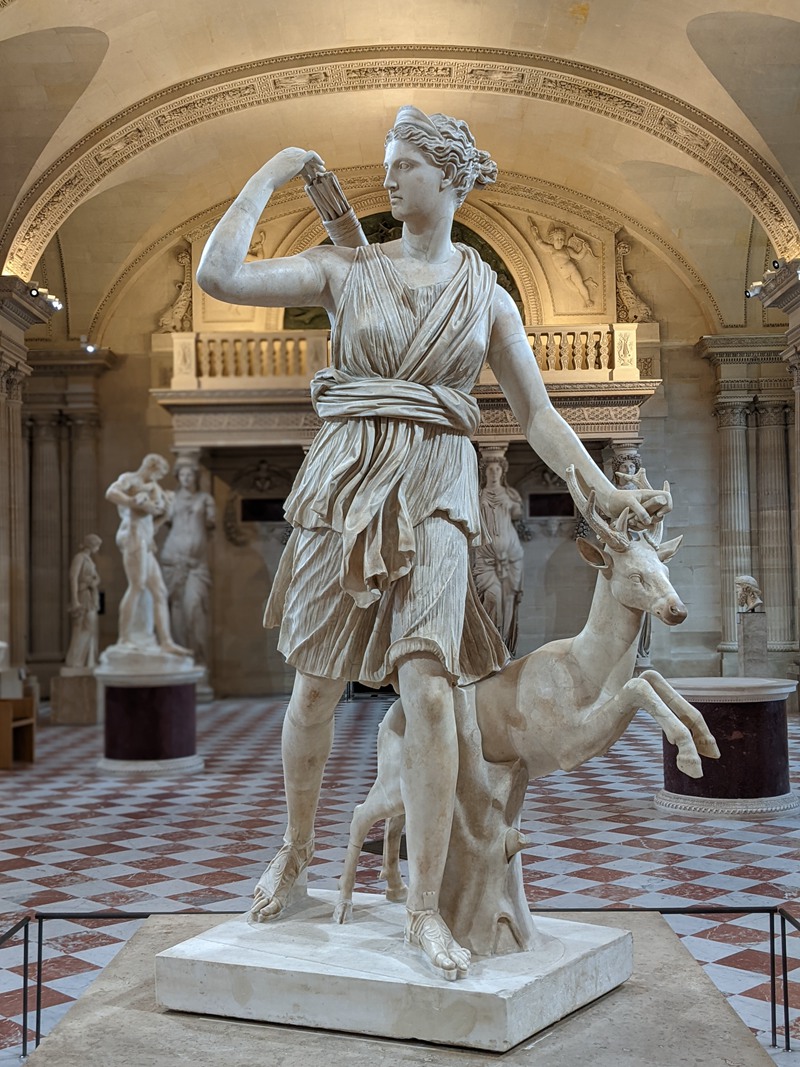
5. Diana of Versailles
Though housed in the Louvre, this statue is a Roman copy of a Greek original from the 1st or 2nd century CE. It depicts Diana, the goddess of the hunt, in motion, with a quiver of arrows on her back and a stag by her side. The dynamic energy of this sculpture made Diana one of the most admired Roman goddesses.
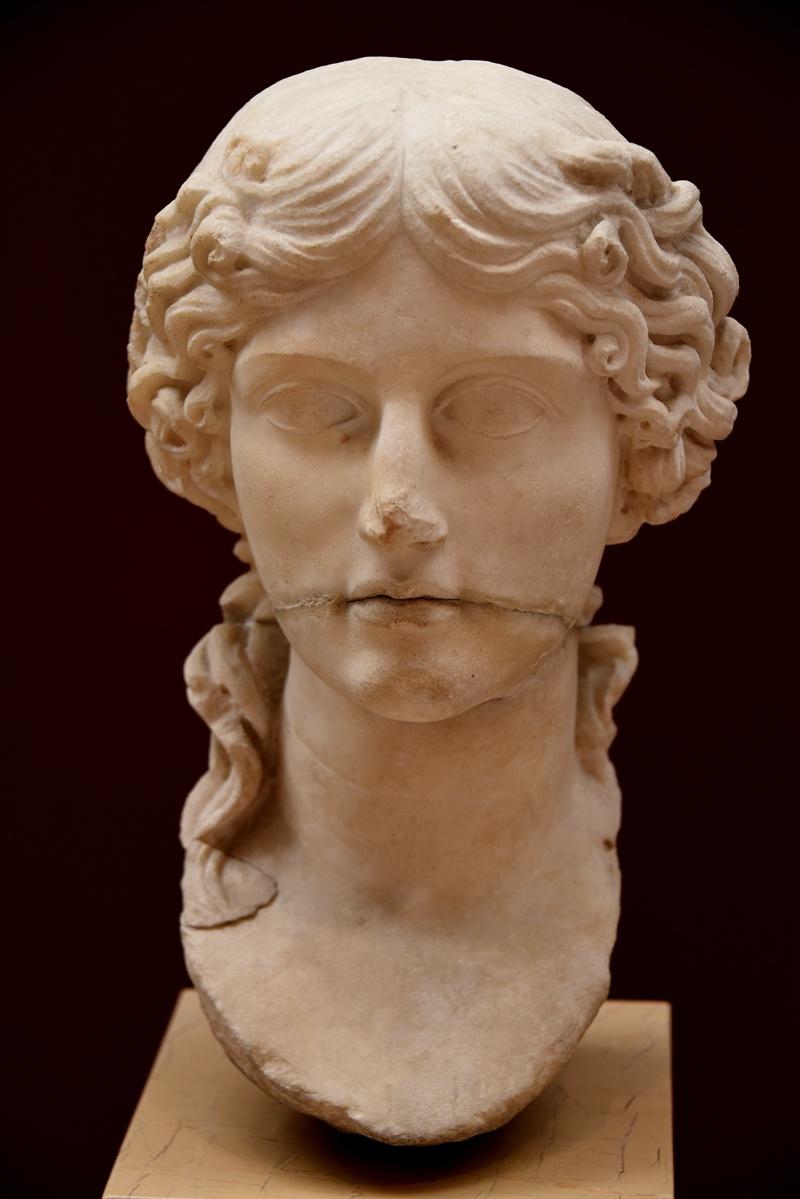
6. Bust of Agrippina the Elder
Agrippina the Elder, mother of Emperor Caligula and grandmother of Nero, came from a powerful lineage. This bust captures her strong, resolute features, along with a hint of melancholy, reflecting the realism of Roman portraiture and the political intrigue of her life.
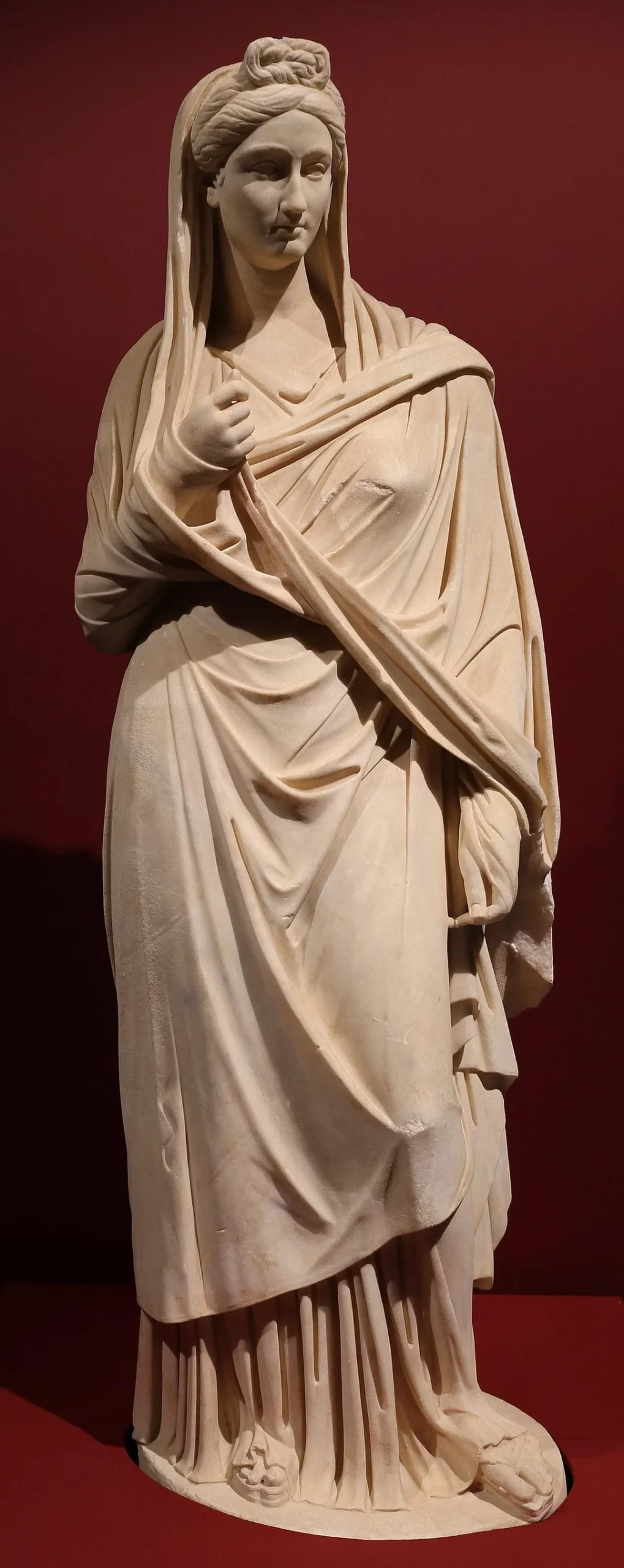
7. Statue of Sabina
Sabina, the wife of Emperor Hadrian, is depicted in a classicized style, drawing on Greek influences. Her statues were designed to connect the imperial family with traditional Roman virtues and morality. The graceful lines and serene expression of this work emphasize her role as a model of aristocratic virtue.
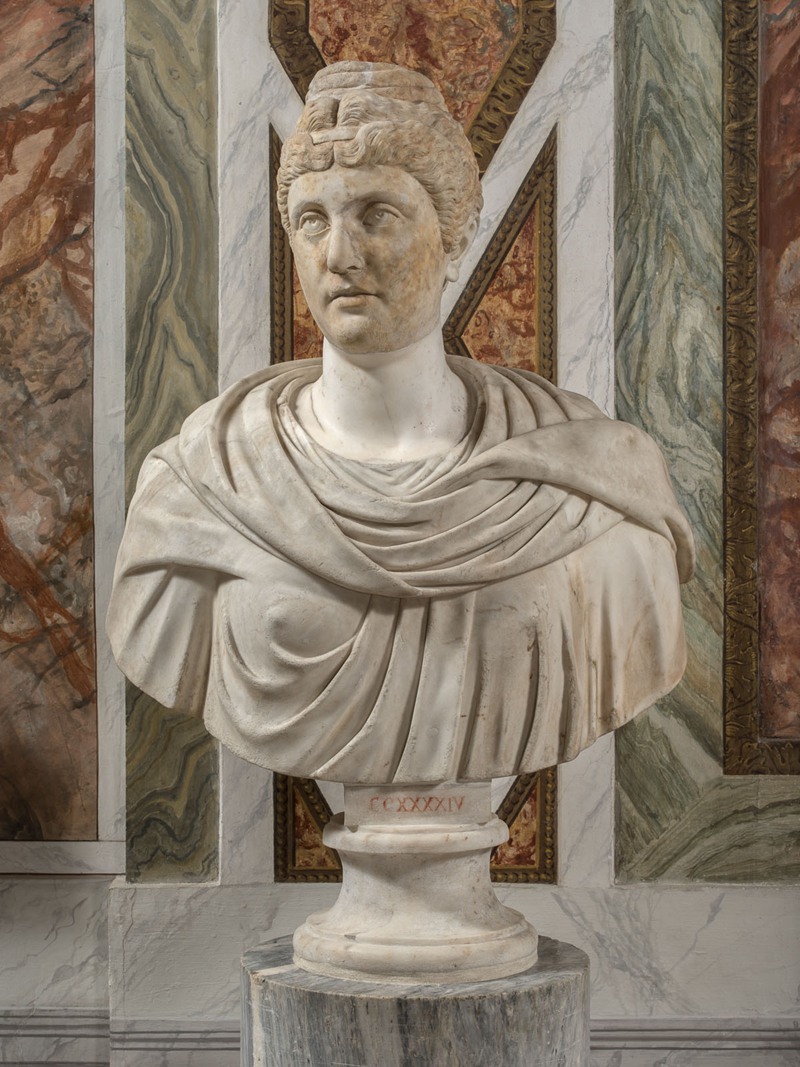
8. Bust of Faustina the Elder
Faustina, wife of Emperor Antoninus Pius, was deified after her death. Her busts were widely reproduced across the Roman Empire. Known for her distinctive braided hairstyle coiled atop her head, her portrait became a trendsetter in Roman fashion and a symbol of loyalty and piety.
9. Statue of a Woman as Pudicitia
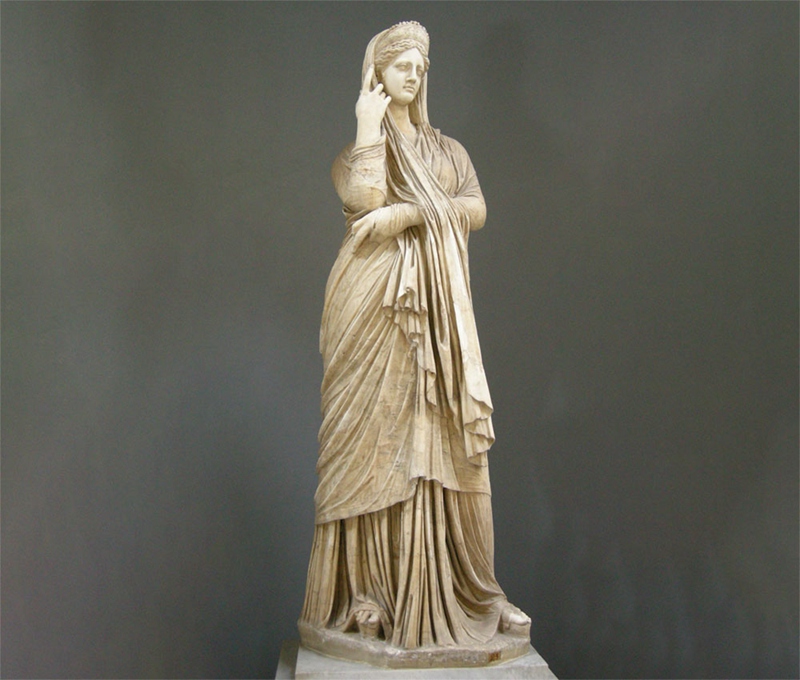
This statue represents the Roman virtue of “Pudicitia” (modesty and chastity). The figure is fully draped in heavy, flowing robes (Palla), with her face calm and composed. Such sculptures were a visual representation of the moral ideals expected of Roman women during the Republic and early Empire.
Roman Female Sculptures: A Timeless Legacy
These iconic Roman female sculptures not only serve as a bridge between Greek artistic ideals and Roman realism but also provide a window into ancient society’s values and traditions. They celebrate beauty, power, and virtue while immortalizing the influence of women in Roman history.
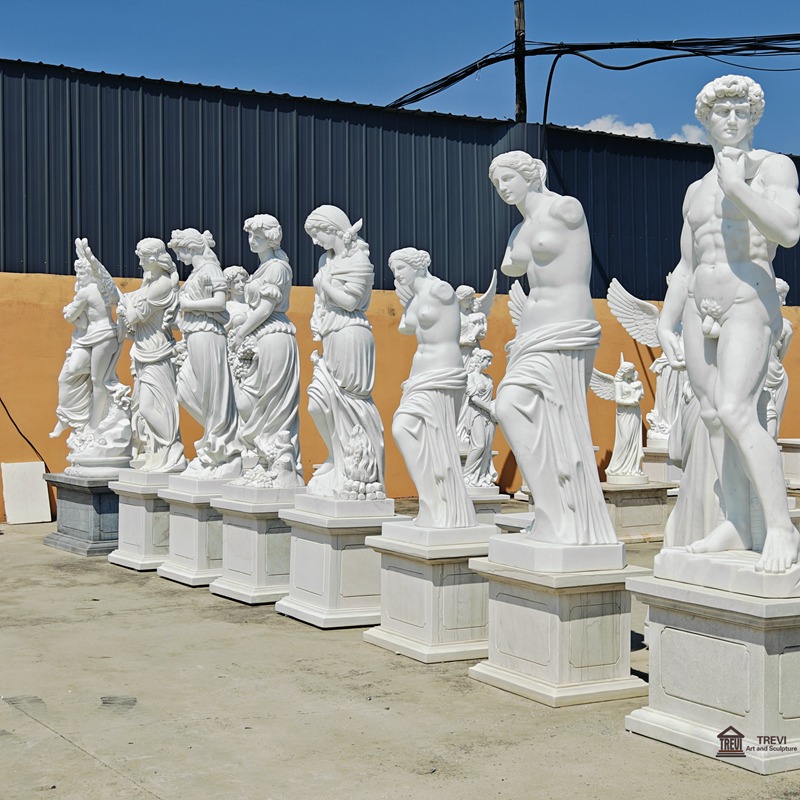
At Trevi factory, we specialize in recreating classic marble statues. We can craft high-quality replicas to bring the elegance of ancient Rome into your space. Contact us today to honor the legacy of Roman artistry with a masterpiece of your own!