From my experience working with sculpture subjects and classical decorative themes, I have learned that the Atlas Statue is one of those images many people recognize before they fully understand it. A powerful male figure bends under a huge sphere. His muscles are tense. His head lowers. His whole body seems to carry the weight of the world.
That image is dramatic, easy to remember, and very useful in sculpture design. But it also contains one common misunderstanding: in original Greek mythology, Atlas did not carry the Earth. He carried the sky, or the celestial heavens.
Over time, artists, mapmakers, and decorators changed the way people imagined him. The celestial sphere became a globe. The myth became a symbol. Today, an Atlas statue can represent strength, punishment, endurance, knowledge, astronomy, navigation, architecture, or the heavy responsibility of civilization.
In this article, I will explain the meaning of Atlas, the mythology behind the statue, the difference between carrying the sky and carrying the Earth, several famous Atlas sculptures, and how Atlas statues are used in modern decoration.
Who Is Atlas in Greek Mythology?
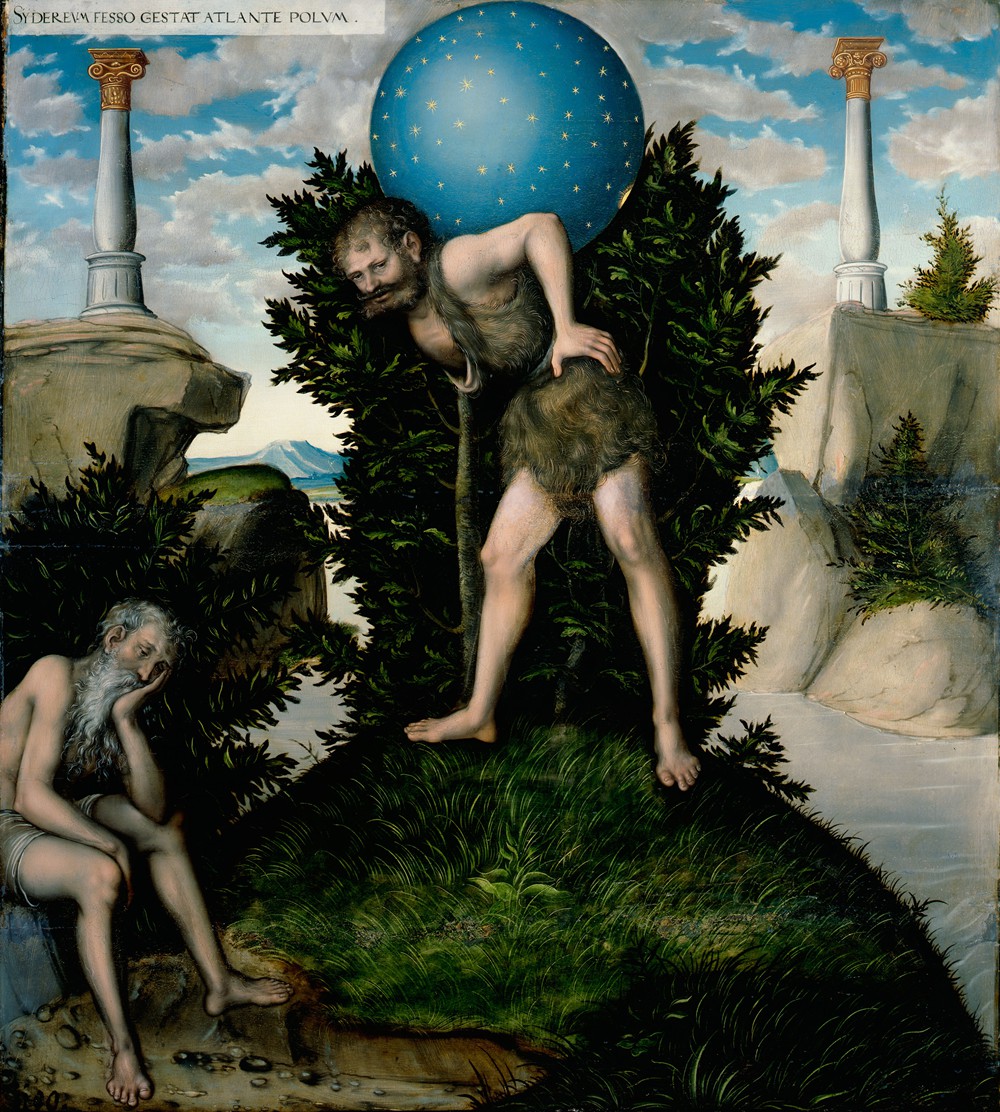
Atlas is one of the most famous figures from Greek mythology. He was a Titan, one of the older divine beings who came before the Olympian gods such as Zeus, Athena, and Apollo. Atlas was the son of Iapetus, another Titan.
In the myth, Atlas joined the Titans in their war against Zeus and the Olympian gods. After the Titans lost, Zeus punished Atlas by forcing him to stand at the western edge of the world and hold up the heavens.
This punishment is the center of the Atlas image.
When I look at an Atlas statue, I do not see only a strong man. I see a figure trapped in an eternal task. That is why Atlas works so well in sculpture. His body shows physical strength, but his posture also shows pressure, limitation, and fate.
Did Atlas Carry the Earth or the Sky?
This is the most important point to understand.
In original Greek mythology, Atlas carried the sky, not the Earth. More precisely, he held up the celestial heavens so the sky would not fall onto the world.
Many later artworks show Atlas holding a globe. This globe is often understood as the Earth. However, in older classical sculpture, the sphere can also represent the celestial sphere—an ancient model of the stars and heavens surrounding the Earth.
The difference matters because it changes the meaning of the statue.
From my experience, many buyers and art lovers first describe Atlas as “the man carrying the world.” That description is common and understandable. But if you want to appreciate the subject more deeply, it is helpful to know that the original myth is about the heavens, not the planet Earth.
Why Is It Called an “Atlas”?
The word “atlas” has another meaning in English: a book of maps.
This connection also comes from the image of Atlas.
In the Middle Ages and later periods, mapmakers and writers often used the image of Atlas on the covers or front pages of map collections. Because Atlas was connected with the heavens, geography, and the idea of holding the world, his image became strongly linked with maps.
Over time, the word atlas became the common English word for a collection of maps.
This is one reason Atlas became so popular in European decoration. He was not only a mythological figure. He also became a symbol of learning, travel, navigation, astronomy, geography, and global knowledge.
The Symbolic Meaning of an Atlas Statue
An Atlas statue can carry several meanings at the same time. That is part of its power as a sculpture subject.
Strength
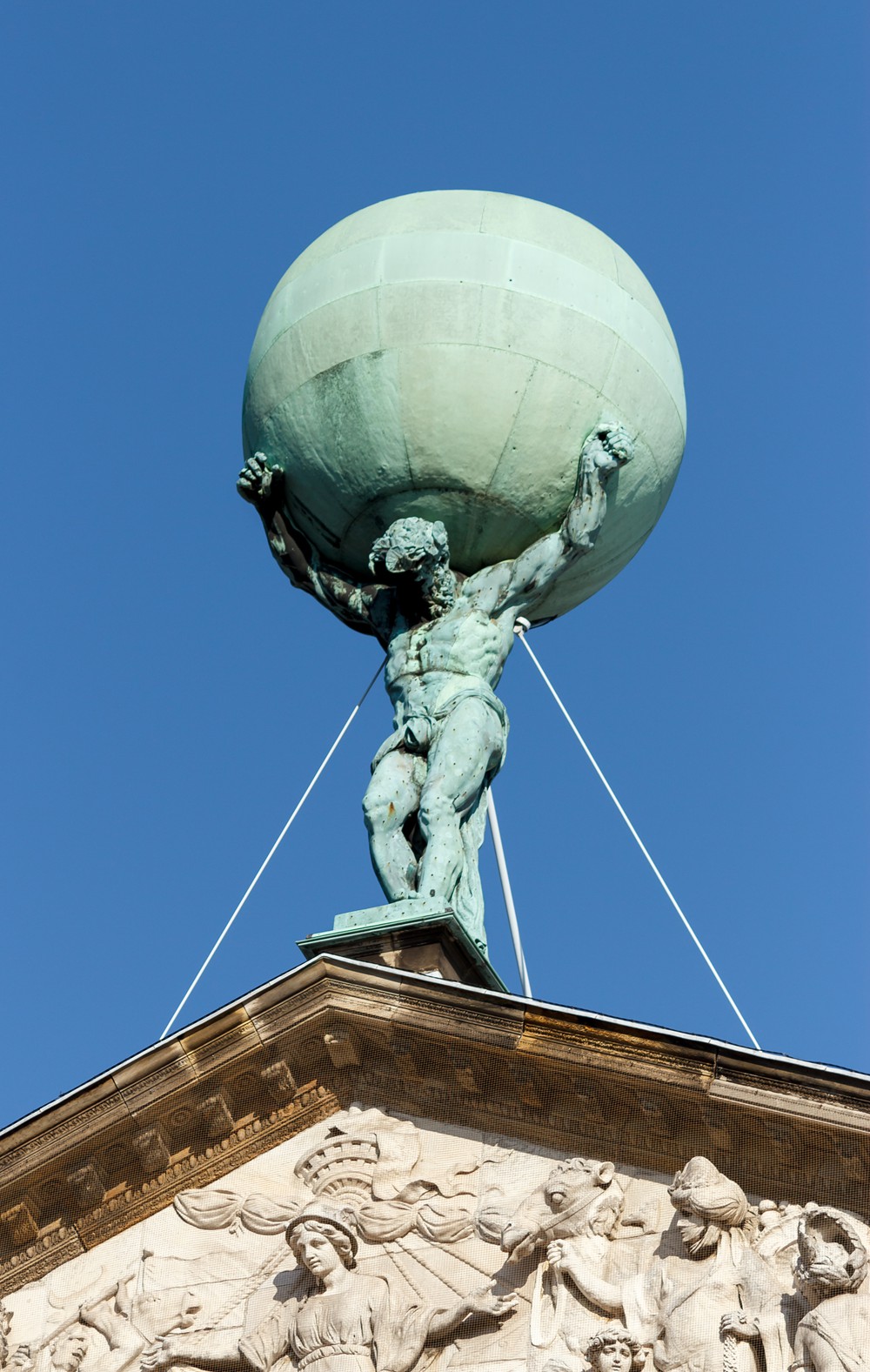
Atlas is usually shown as a large, muscular male figure. His body is built to express strength. The tension in his shoulders, back, legs, and arms is often exaggerated to make the viewer feel the weight he carries.
Burden
Atlas is not standing freely. He is under pressure. His bent posture shows that strength does not mean comfort. It means endurance.
This is why Atlas is often used as a symbol for heavy responsibility.
Punishment
In mythology, Atlas did not choose his task. It was a punishment from Zeus. This gives the sculpture a tragic feeling. He is powerful, but he is not free.
Knowledge and the Cosmos
Because Atlas is connected with the celestial sphere, maps, and astronomy, his statue can also suggest knowledge of the universe. This is especially true when the sphere is carved or cast with stars, zodiac signs, or map-like details.
Architecture and Support
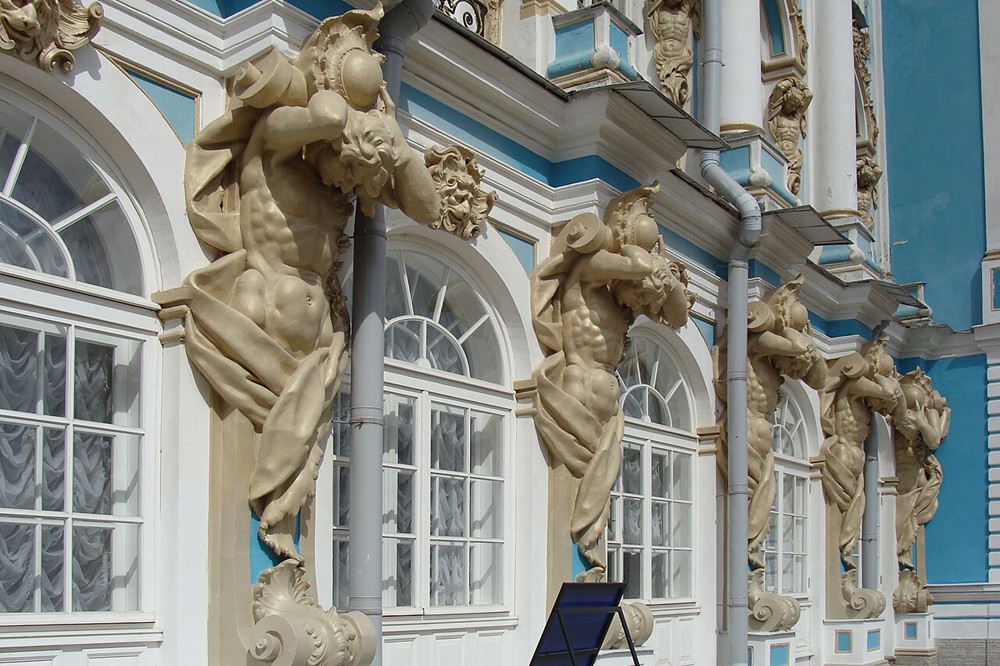
Atlas figures are sometimes used in architecture as male supporting figures. These are called atlantes. An atlas-like figure may support a balcony, column, roofline, or decorative structure.
In design terms, this is a very natural use of the Atlas theme: a human figure physically supports the building, just as mythological Atlas supports the heavens.
Classic Styles of Atlas Statue
Atlas statues appear in many artistic styles. The best style depends on the project purpose, building type, material, and visual mood.
In my view, the most successful Atlas statue is not always the largest or most muscular one. It is the one where the pose, material, scale, and setting all support the same idea.
The Farnese Atlas
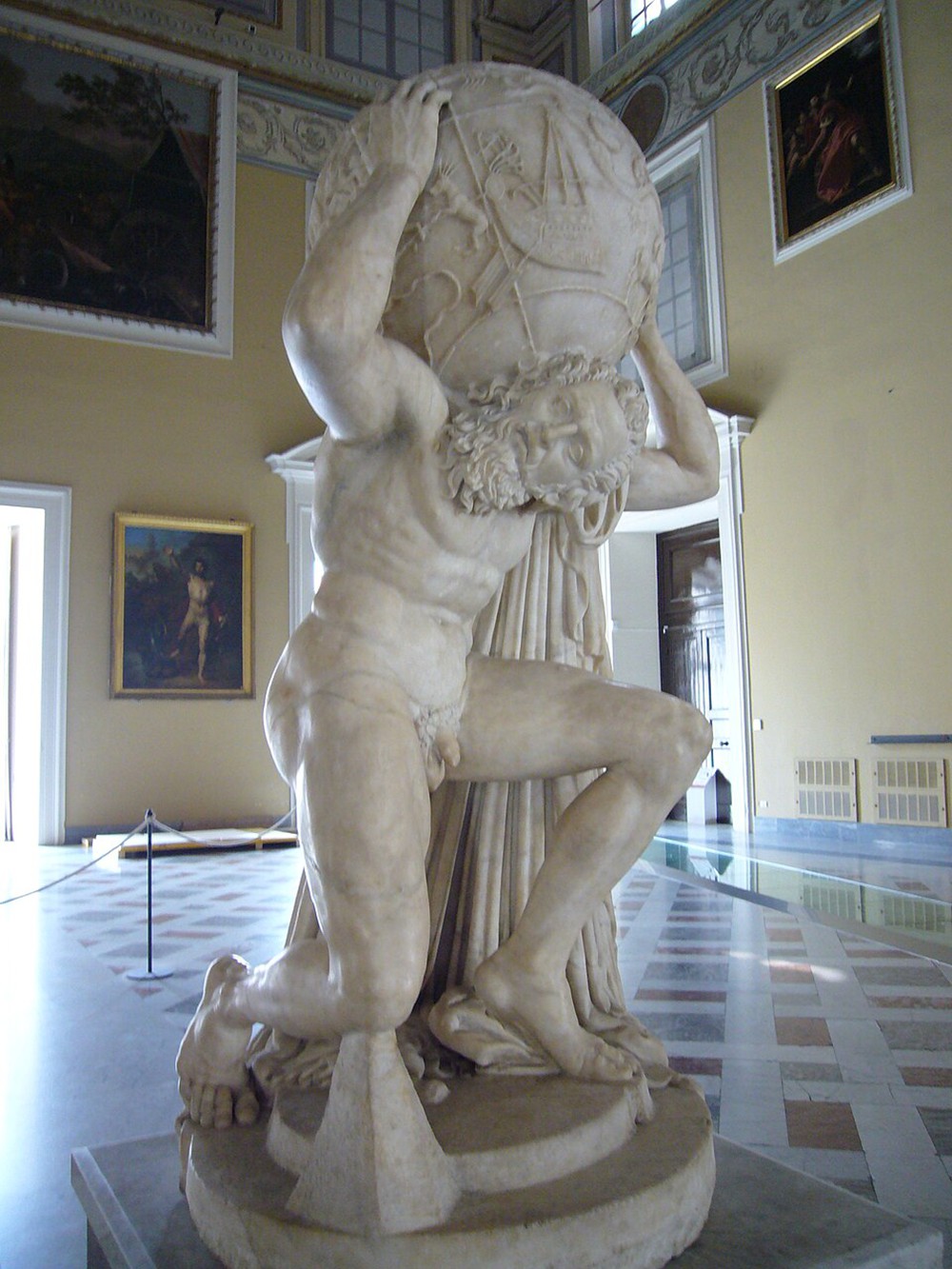
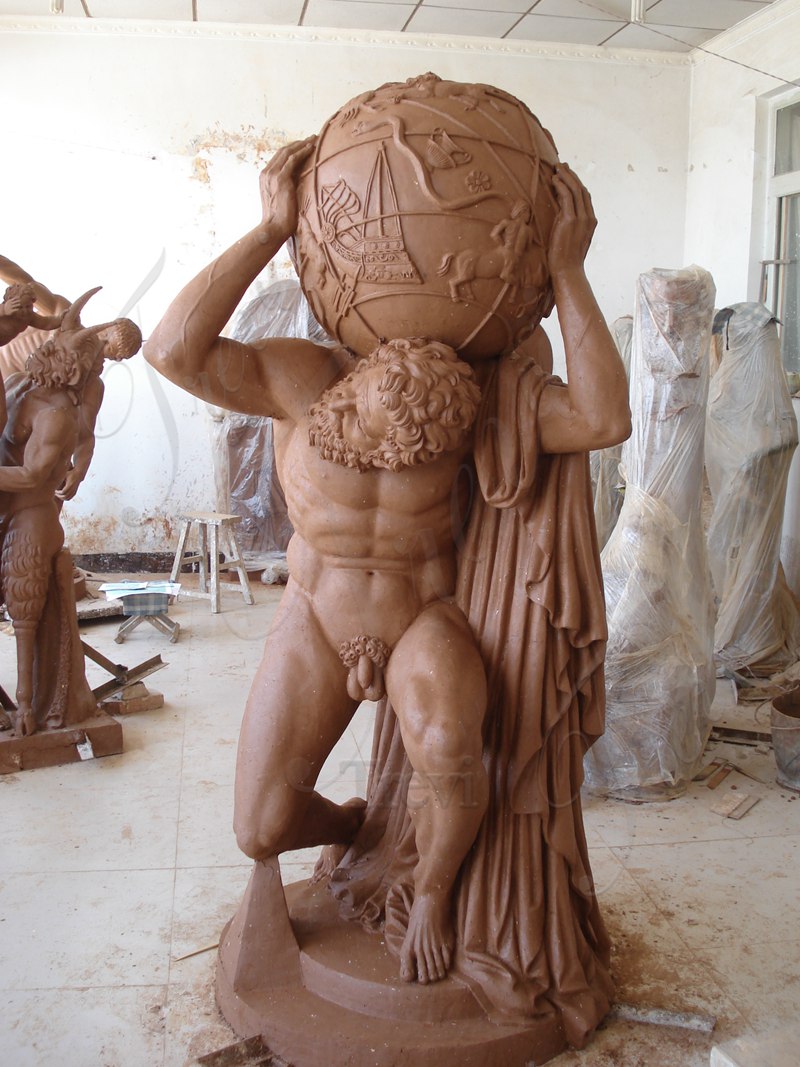
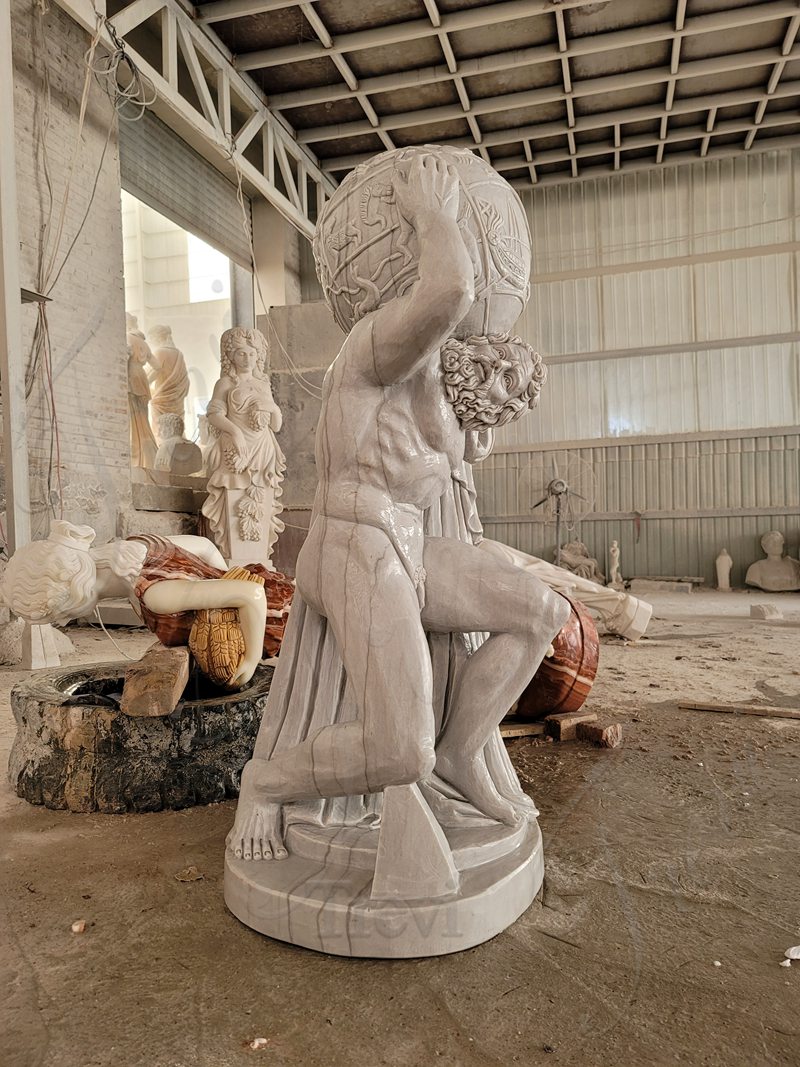
The Farnese Atlas is one of the most famous ancient Atlas sculptures. It is a Roman marble statue from the 2nd century AD. It shows Atlas kneeling and carrying a large celestial sphere on his shoulders.
This statue is important because the sphere is not just a simple globe. It represents the heavens and includes astronomical details. For people studying the Atlas image, the Farnese Atlas is one of the clearest examples of the original celestial meaning.
Michelangelo’s Atlas Slave
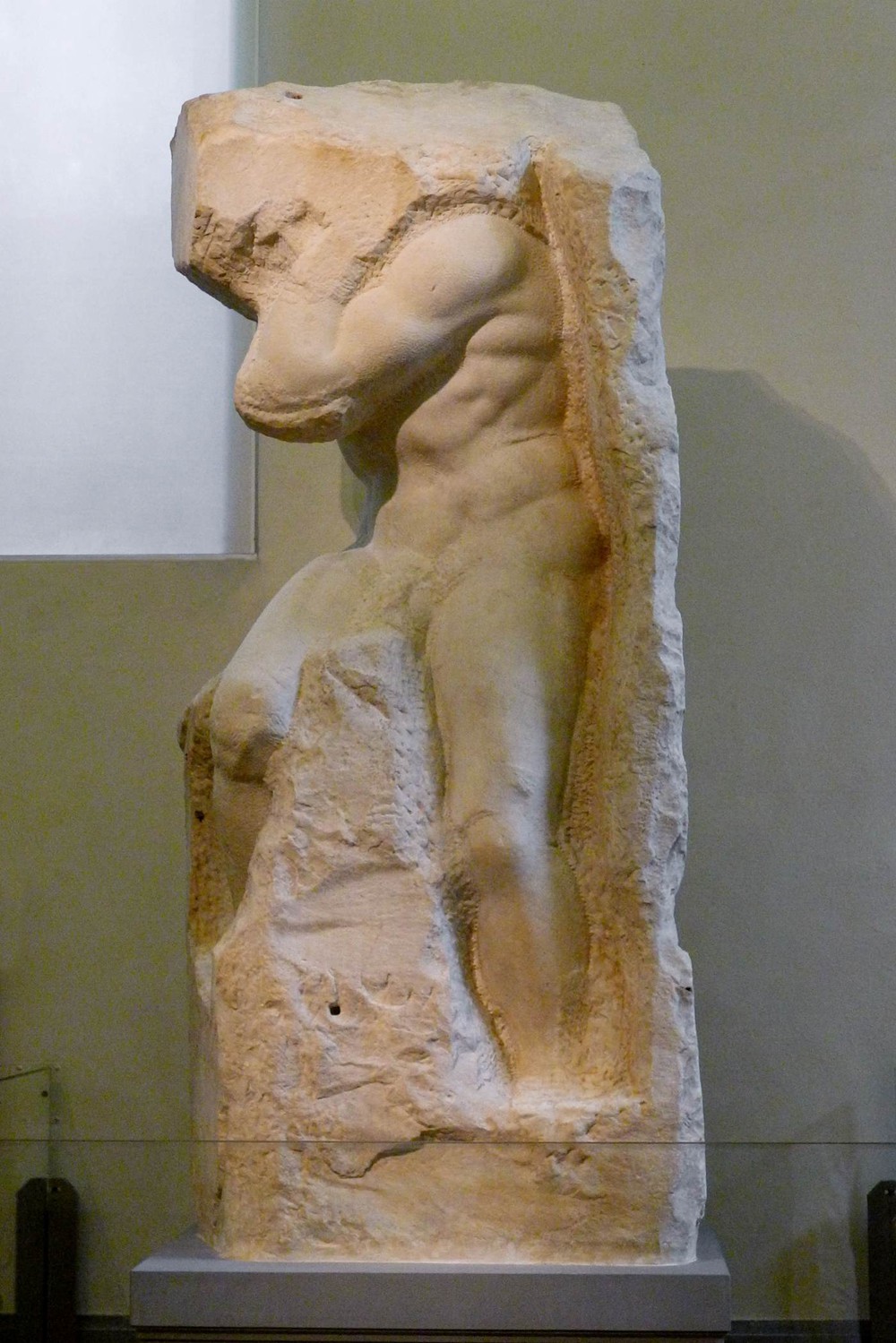
Michelangelo’s unfinished sculpture often called the Atlas Slave is not a direct mythological Atlas statue in the simple decorative sense. It belongs to his series of unfinished “Slaves” or “Prisoners.”
The figure appears trapped inside the stone, struggling to emerge. The body seems to carry a heavy invisible force.
The Atlas at Rockefeller Center, New York
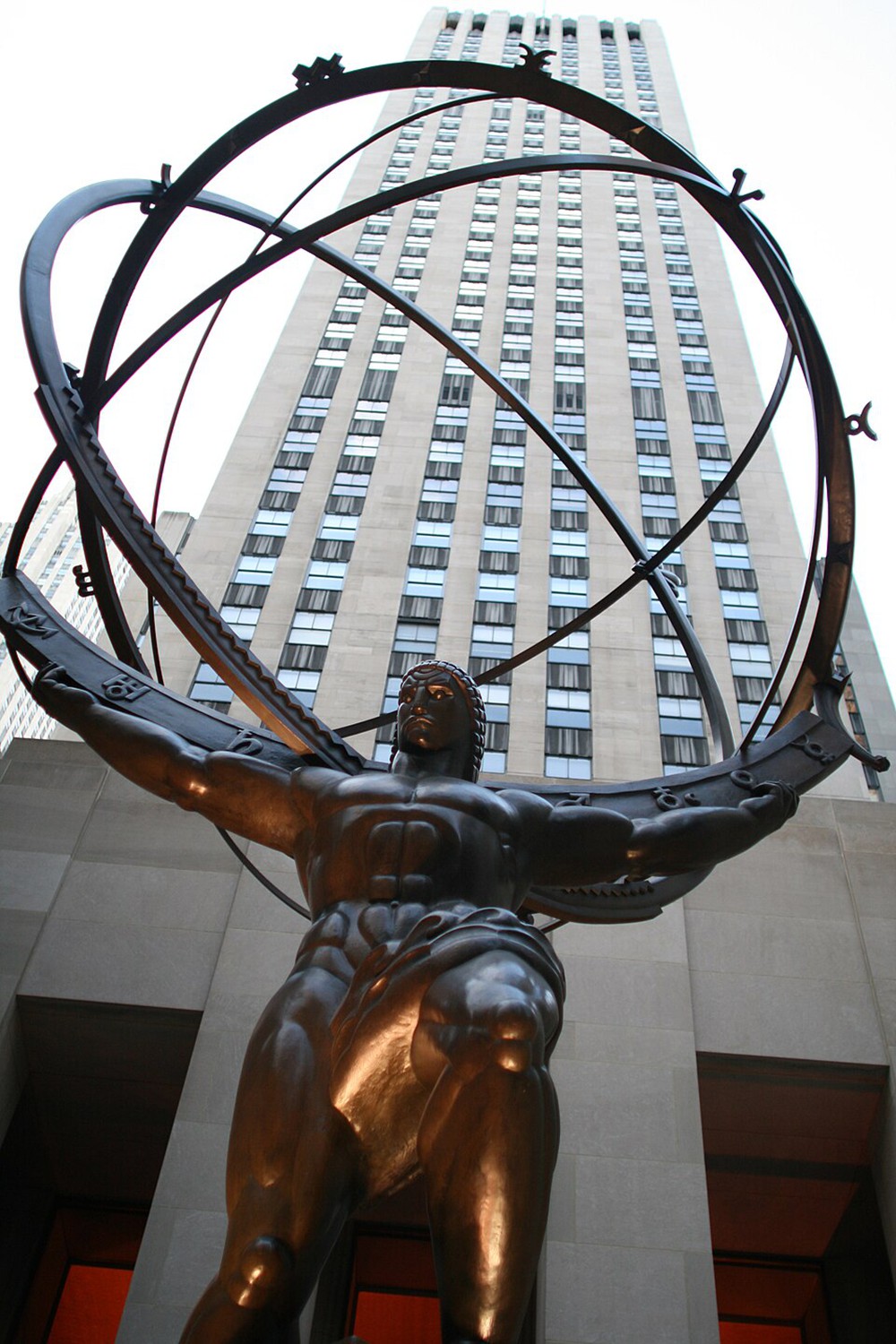
The Atlas at Rockefeller Center in New York is one of the most famous modern public Atlas sculptures. It shows a strong Art Deco figure holding a large armillary sphere, a ringed model associated with astronomy and the heavens.
This sculpture does not feel like ancient Greek art. It feels modern, urban, and powerful. The clean lines and heroic posture match the style of Rockefeller Center.
The Underwater Atlas in the Bahamas
The underwater Atlas sculpture in the Bahamas is a very different interpretation. It is a contemporary public artwork placed below the sea surface. Instead of a traditional museum or city setting, the sculpture exists in a marine environment.
This changes the viewer’s experience completely. The figure is seen through water, light, and movement. The meaning becomes more ecological and contemporary.
Conclusion: Why the Atlas Statue Still Matters
The Atlas statue remains powerful because it combines myth, body, architecture, and symbolism in one clear image. A single figure carrying a sphere can express strength, punishment, knowledge, global ambition, or human burden.
The key is to understand the context. Atlas originally carried the heavens, not the Earth. The celestial sphere, the Earth globe, and the modern abstract sphere all tell slightly different stories. Famous examples such as the Farnese Atlas, Michelangelo’s Atlas Slave, the Rockefeller Center Atlas, and the underwater Atlas in the Bahamas show how flexible this subject can be.
From my experience, Atlas is a strong choice when a project needs more than decoration. It is best when the sculpture has a clear message, suitable material, correct scale, and a setting that allows the figure’s burden to be felt.
If you are planning a marble, bronze, or custom decorative Atlas statue, I suggest starting with the meaning first. Once the message is clear, the right pose, material, sphere, and finish become much easier to choose.
Frequently Asked Questions
What does an Atlas statue mean?
An Atlas statue usually means strength, endurance, burden, and responsibility. In the original Greek myth, Atlas was punished by Zeus and forced to hold up the heavens. In modern decoration, he can also symbolize global vision, knowledge, or the weight of leadership.
Did Atlas carry the Earth?
In original Greek mythology, Atlas carried the sky or heavens, not the Earth. The image of Atlas carrying the Earth became popular later through artistic and decorative interpretations. In classical sculpture, the sphere may represent the celestial heavens rather than the planet.
What is the best material for an outdoor Atlas statue?
Bronze is a strong choice for outdoor public sculpture because it is durable and has a long tradition in exterior art. Marble can also be used outdoors, especially in gardens and classical settings, but it needs careful handling, installation, and maintenance.
Is the Farnese Atlas holding a globe?
The Farnese Atlas holds a celestial sphere, not a simple modern Earth globe. The sphere represents the heavens and includes astronomical meaning. This is why the statue is important for understanding the original Atlas theme.
Can an Atlas statue be customized for a modern building?
Yes. An Atlas statue can be classical, Art Deco, or contemporary. The sphere can be designed as a celestial sphere, Earth globe, armillary sphere, or abstract form. The pose, material, finish, and scale should match the building’s style and message.
What should I confirm before commissioning an Atlas sculpture?
I suggest confirming the design meaning, material, size, sphere type, pose, finish, installation location, and structural support. For large outdoor sculpture, the base, foundation, lifting plan, and anchoring method are especially important.