A Complete Guide to the Greek Pantheon of Gods
When We Think of Ancient Greek Mythology, we picture majestic divine statues, romantic legends, and the grandeur of Mount Olympus. For millennia, Greek deity sculptures have stood as timeless artistic classics — anchored in supreme aesthetic power and rich humanistic depth — and remain the defining works of European sculptural tradition.
Many people love Greek deity sculptures yet struggle to keep track of the gods’ generations, relationships, and domains, with only a vague understanding of the Twelve Olympians. Ancient Greek mythology is not a loose collection of stories. It is a coherent, generational, fully structured divine genealogy.
The Primordial Gods: The Cosmic Origin, the Beginning of All Things
The Greek mythological world was born from Chaos. The primordial deities were not anthropomorphic gods in human form — they were personifications of fundamental cosmic elements and natural laws, the origin of all gods and all things, and the foundation upon which the entire Greek pantheon rests.
The two core primordial creator deities:
- Chaos — God of the Void
The primal state of the universe before creation, the formless condition before heaven and earth separated and before anything existed — the source of all divine beings. - Gaia — The Great Earth Mother
The first concrete creator deity to emerge from Chaos, and the earth itself. She independently gave rise to the sky, mountains, and seas, and is the common ancestral mother of all heavenly gods, humanity, and natural beings — a symbol of inexhaustible life.
Beyond these two, the primordial gods include Tartarus (god of the abyss), Eros (god of love and desire), Erebus (god of darkness), and Nyx (goddess of night), each corresponding to a fundamental force of the primordial universe, together forming the complete framework of the original cosmos.
The Second Generation: The Titans, Rulers of the Old Age
The primordial earth mother Gaia gave birth to Uranus, the god of the sky. Heaven and earth united, and from their union came the second generation of Greek deities — the Twelve Titans — ushering in the Titan age and its cosmic order of dominion. The Twelve Titans, six male and six female, held sway over fundamental natural forces: the sun and moon, the stars, time, and the seas.
Male Titans
1. Cronus | The Second Divine King, God of Time
The youngest of the Twelve Titans, and the most powerful. He overthrew his father, Uranus, to become the second ruler of the cosmos.
2. Oceanus | God of the World-Ocean
The eldest of the male Titans, he personifies the great river believed to encircle the entire earth — the source of all fresh water, rivers, and seas.
3. Hyperion | God of Heavenly Light
One of the earliest Titans to embody celestial radiance. His name means “he who goes above,” and he presides over the light of the sun, moon, and dawn.
4. Iapetus | God of Mortality and the Span of Life
Associated with the mortal lifespan of humankind, Iapetus is often regarded as the ancestor of humanity. He is the father of Prometheus, Epimetheus, Atlas, and Menoetius.
5. Crius | God of the Constellations and the Heavenly Order
One of the four Titans who stood at the corners of the earth, helping to hold the sky aloft. He presides over the constellations and the celestial order of the stars.
6. Coeus | God of Intelligence and the Celestial Axis
Titan of the inquisitive mind and the rational intellect, associated with the axis around which the heavens revolve. He is the father of Leto and Asteria, and thus the grandfather of Apollo and Artemis.
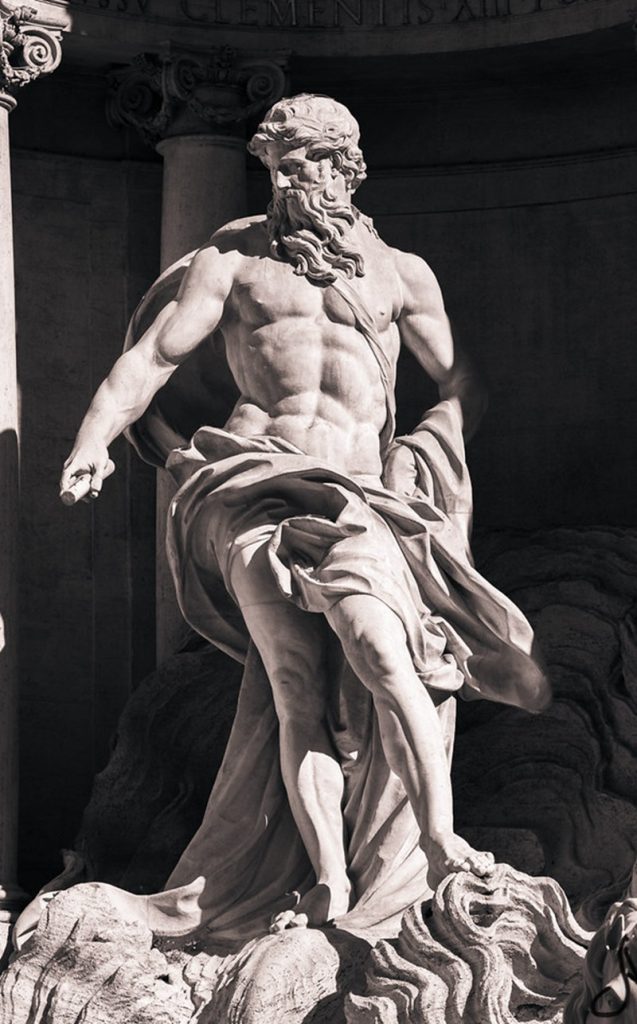
Female Titans
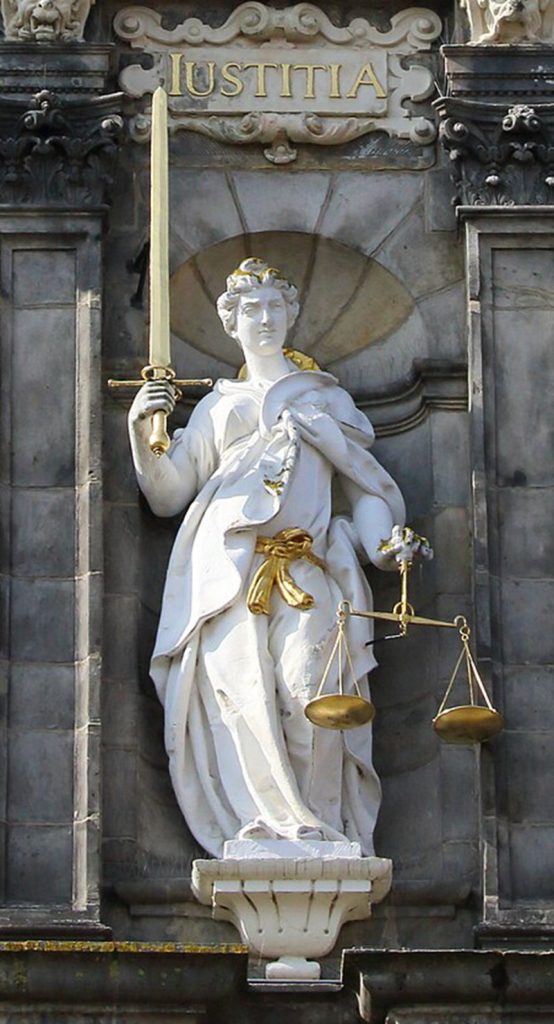
7. Rhea | Goddess of Time, Mother of the Gods
Sister and wife of Cronus, and the most important of the female Titans. Gentle yet unyielding, she bore six of the Olympian gods — Hestia, Demeter, Hera, Hades, Poseidon, and Zeus — and secretly saved them from Cronus’s grasp.
8. Theia | Goddess of Sight and the Shining Sky
Consort of Hyperion and mother of Helios, Selene, and Eos. Her name means “divine” or “goddess,” and she is associated with the brilliance of light as perceived by the eye — the divine source of the radiance carried by the sun, moon, and dawn. She embodies the beauty of the heavens as seen from the earth below.
9. Mnemosyne | Goddess of Memory
One of the most conceptually significant of the Titans. She personifies memory itself — the faculty that preserves knowledge, history, and identity.
10. Themis | Goddess of Divine Law and Order
One of the most enduring and revered of the Titans, Themis presides over divine law, justice, custom, and righteous order. She was one of Zeus’s earliest consorts, and together they produced the Horae (the goddesses of the seasons) and the Moirai (the three Fates).
11. Tethys | Goddess of the Nourishing Waters
Wife of Oceanus and goddess of the sources of fresh water that nourish the earth. Together with Oceanus, she gave birth to the three thousand Oceanid nymphs and the three thousand river gods.
12. Phoebe | Goddess of the Moon and Prophetic Radiance
Associated with the moon and with the bright, prophetic intellect. She was the keeper of the Oracle at Delphi before it passed to Apollo, her grandson.
Secondary Titan Deities: The Extended Lineage
Beyond the Twelve, the Titan generation gave rise to several renowned secondary figures — children or close kin of the Titans — who became iconic in their own right.
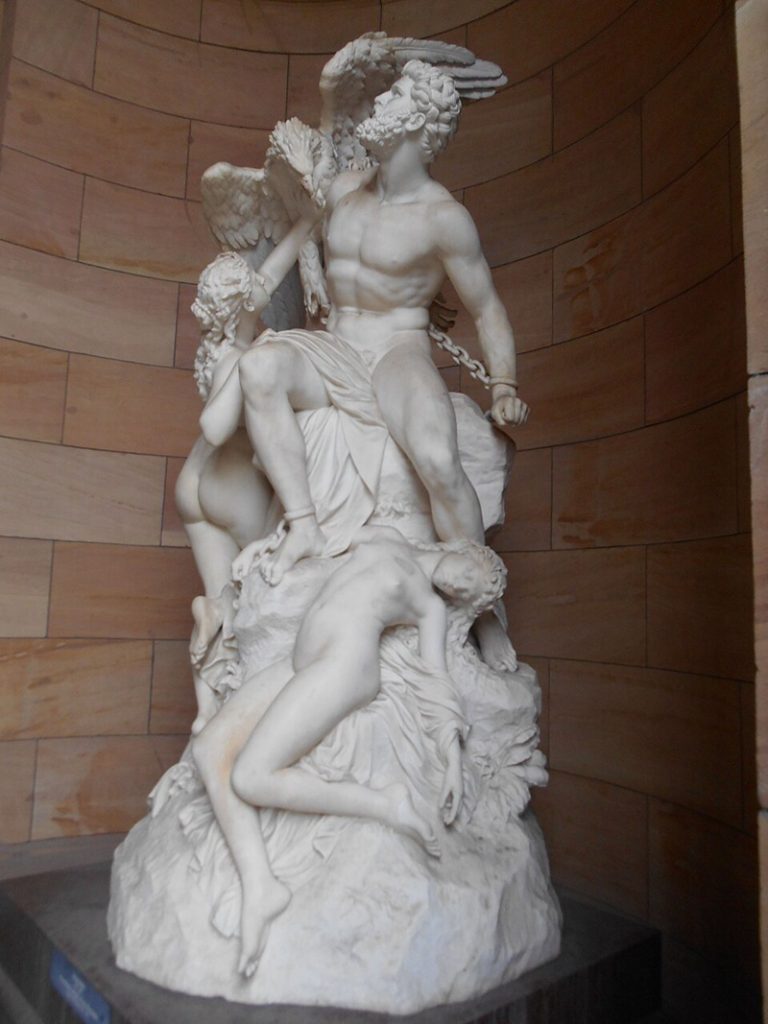
Prometheus | The Fire-Bringer, Protector of Humanity
Son of Iapetus, and the most celebrated of all secondary Titan figures. Acting against the will of the gods, he stole fire from Olympus and gave it to humankind, enduring eternal punishment.
Epimetheus | God of Afterthought
Brother of Prometheus and his counterpart, where Prometheus embodied foresight, Epimetheus acted without it.
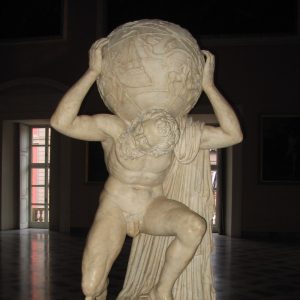
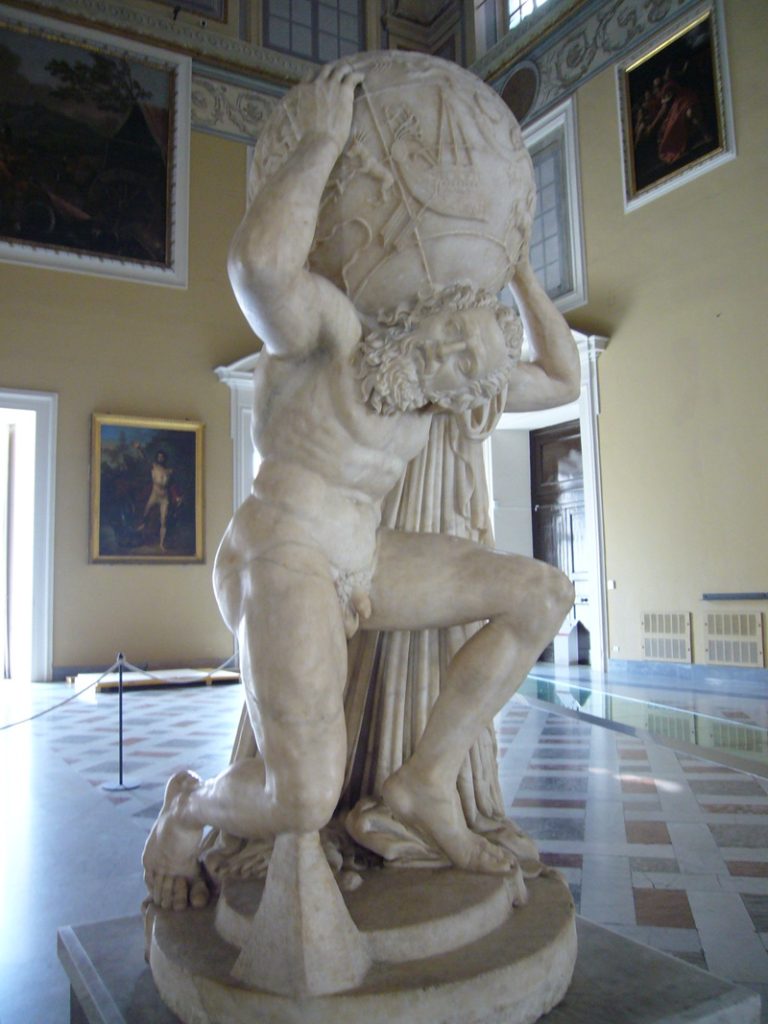
Atlas | Bearer of the Heavens
Son of Iapetus, and one of the most visually iconic figures of the Titan generation.
Helios | The First Sun God
Son of Hyperion and Theia, Helios drives his blazing chariot across the sky each day, bringing light to the world.
Selene | The First Moon Goddess
Sister of Helios, Selene rides her silver chariot across the night sky, governing the light of the moon.
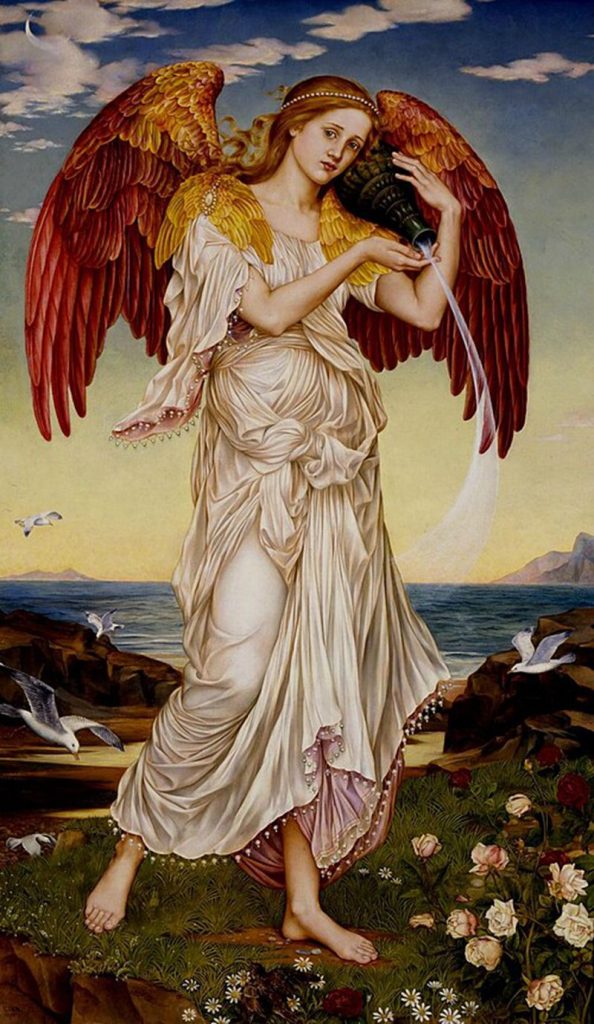
Eos | Goddess of the Dawn
The third child of Hyperion and Theia, Eos opens the gates of heaven each morning, heralding the arrival of her brother Helios.
The Third Generation: The Olympian Gods, the Mainstream Divine Order
The Greek gods we know best today — the ones most frequently depicted in sculpture and carrying the widest cultural influence — all belong to the third generation: the Olympian pantheon. This is the most mature and orthodox divine system in Greek mythology. Dwelling on sacred Mount Olympus, they govern the heavens, the earth, the seas, the underworld, and the mortal world.
The original foundation of the Olympian order consists of the six children of Cronus and Rhea — the earliest core Olympians: Hestia, Demeter, Hera, Hades, Poseidon, and Zeus.
- Zeus: ruler of the sky and the heavens — King of the Gods, sovereign of the universe
- Hades: ruler of the underworld and the dead — King of the Underworld (does not reside on Mount Olympus)
After the war, the three brothers drew lots to divide dominion over the three realms, establishing the core order of the cosmos:
- Zeus: ruler of the sky and the heavens — King of the Gods, sovereign of the universe
- Poseidon: ruler of the seas and waters — Lord of the Ocean
- Hades: ruler of the underworld and the dead — King of the Underworld (does not reside on Mount Olympus)
Combined with Zeus’s offspring and other key deities, the pantheon ultimately crystallized into the universally recognized Twelve Olympians — the primary subjects of Greek sculpture — each with their own domain, symbolic attributes, and artistic identity.
The Twelve Olympians: A Complete Guide
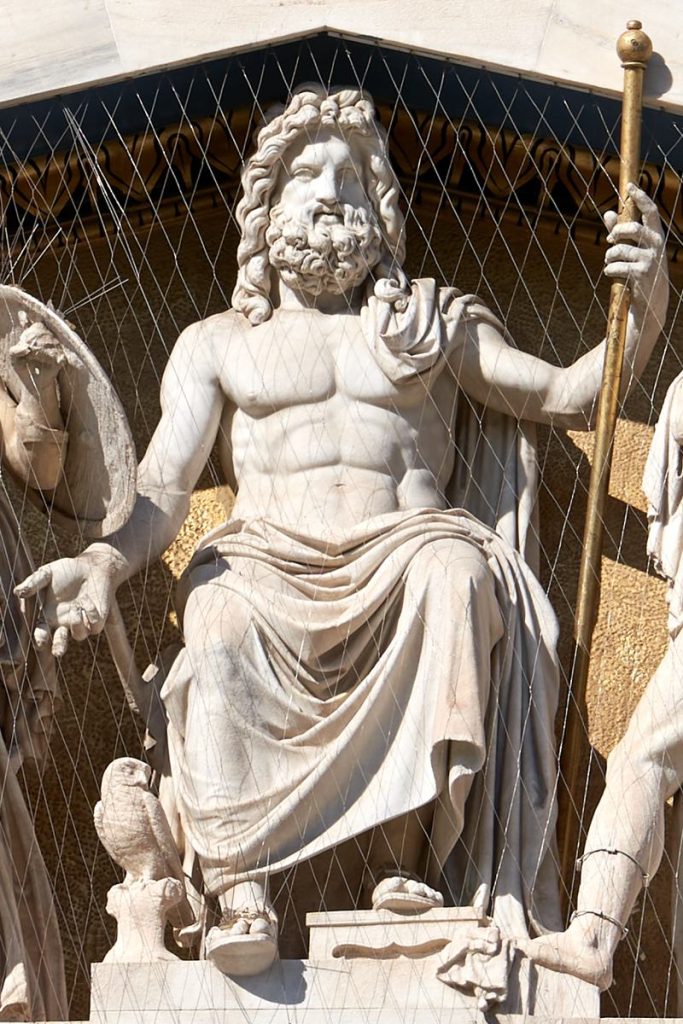
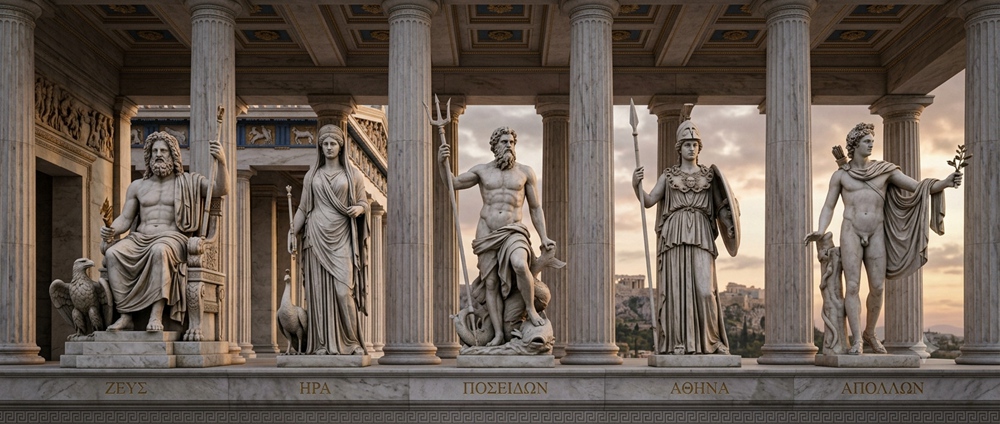
1. Zeus | King of the Gods, God of Thunder
The supreme ruler of Olympus. He commands lightning, the sky, law, and order — the embodiment of power and authority.
2. Hera | Queen of Heaven, Goddess of Marriage and Childbirth
The wife of Zeus and Queen of Olympus. She presides over marriage, family, and the protection of women, exuding a dignified and noble bearing.
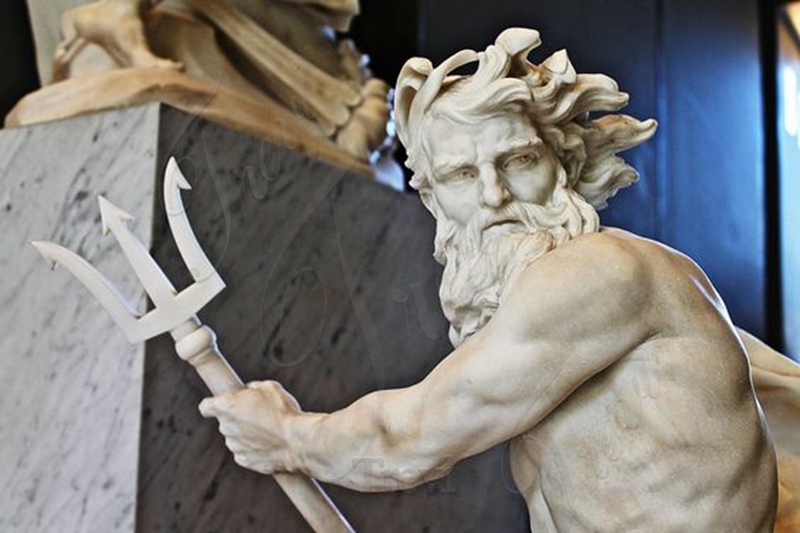
3. Poseidon | God of the Sea, God of Storms
One of the three rulers of the cosmos. He commands all oceans, rivers, storms, and earthquakes — a deity of tremendous power. His iconic symbol is the trident.
4. Demeter | Goddess of Agriculture and the Harvest
She presides over the earth’s abundance, the turning of the seasons, and the growth of all things — guardian of farming and the vitality of the mortal world.
5. Athena | Goddess of Wisdom, War, and Peace
Daughter of Zeus, born fully formed from his head, endowed from birth with wisdom and martial prowess. She presides over wisdom, just warfare, and the crafts and arts — the embodiment of reason and courage.
6. Apollo | God of the Sun, Light, and the Arts
Son of Zeus and the most perfect male god of Olympus. He presides over light, the sun, poetry, music, and prophecy — a symbol of purity, justice, and beauty.
7. Artemis | Goddess of the Moon and the Hunt
Apollo’s twin sister. She presides over the moon, hunting, nature, and the protection of maidens, remaining eternally chaste and independent. Her sculptural image is vivid and spirited — clad in hunting dress, bow in hand — combining an otherworldly coolness with wild beauty.
8. Ares | God of War, Violence, and Valor
Son of Zeus and Hera. He presides over warfare, valor, and strength — the embodiment of pure combat will. Sculptures typically depict him as a powerfully built warrior in full armor, radiating ferocity and dynamic force.
9. Aphrodite | Goddess of Love and Beauty
Born from the sea foam, she is the ultimate symbol of beauty, love, and desire. The iconic Venus de Milo is her defining sculptural image — graceful in form, fluid in line — expressing the pinnacle of ancient Greek bodily aesthetics. She is the most recognized Greek deity in sculptural art worldwide.
10. Hephaestus | God of Fire and the Forge
Son of Zeus and Hera, and the only craftsman deity on Olympus. He presides over fire, metalworking, craftsmanship, and the art of sculpture — the patron god of all artisans and artists. Though plain in appearance, he possesses unrivaled creative ability; the divine weapons, armor, and palaces of the gods all came from his hands. He is the symbol of artistry and mastery.
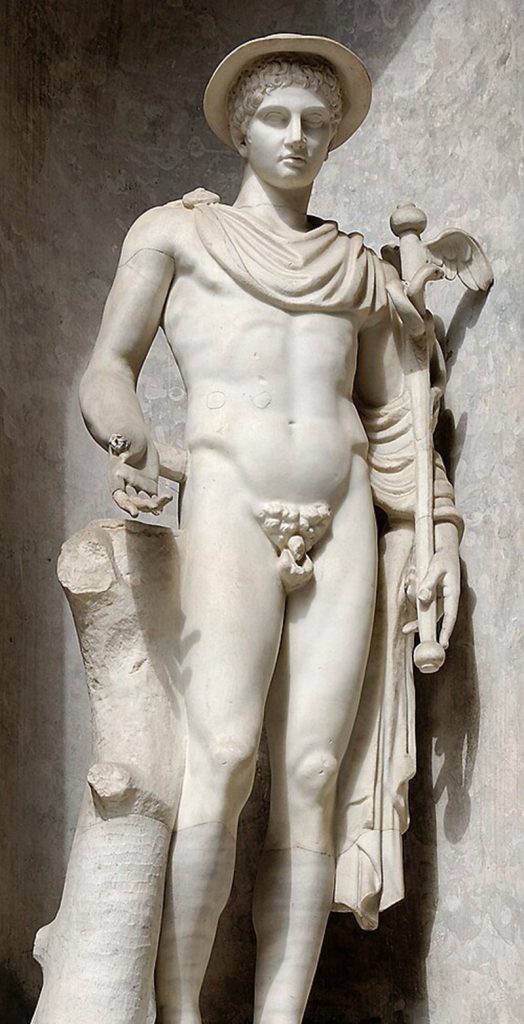
11. Hermes | Messenger of the Gods, God of Commerce and Travelers
Son of Zeus and herald of the Olympians. He presides over communication, commerce, travel, wisdom, and fortune — quick-witted and nimble. Sculptures typically depict him as a lithe and handsome young man, wearing his winged hat and bearing his caduceus, full of light energy and vitality.
12. Hestia | Goddess of the Hearth and Home.
The eldest daughter of Cronus, and the oldest goddess on Olympus. She presides over the home, the hearth, domestic warmth, and the peace of the mortal world — a symbol of warmth and stability. Gentle and unassuming by nature, she stays apart from conflict, serving as the quietly devoted guardian of human domestic life. (In some versions of the pantheon, Dionysus replaces Hestia among the Twelve.)
Beyond the Twelve: Secondary Deities and the Hero Lineage
The complete Olympian system extends well beyond the Twelve who dwell at its summit. It also encompasses secondary specialized deities, generations of demigod heroes, and attendant divine spirits — three major branches that fill in the texture and stories of Greek mythology, and are themselves frequently depicted in marble statuary and decorative sculpture, lending the Greek divine order its full depth and richness.
Core Secondary Olympian Deities
(Resident on the sacred mountain, governing specialized domains)
These deities belong to the Olympian system, answer to the major gods, and oversee specific domains of nature, emotion, ritual, and fate — vital supporting forces in maintaining the order of heaven and earth.
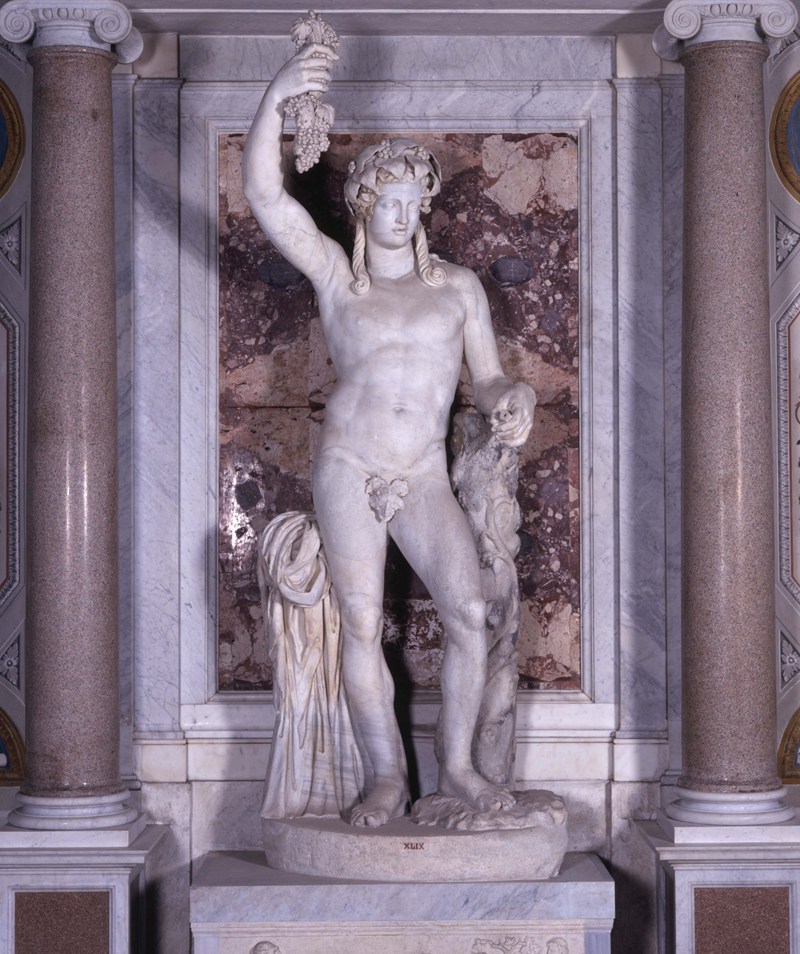
- Dionysus— God of Wine, Revelry, and the Arts: The last deity to join Olympus, and the alternate candidate for the Twelve. Son of Zeus, he presides over wine, festivity, theater, art, and the force of life — a symbol of freedom, passion, and renewal.
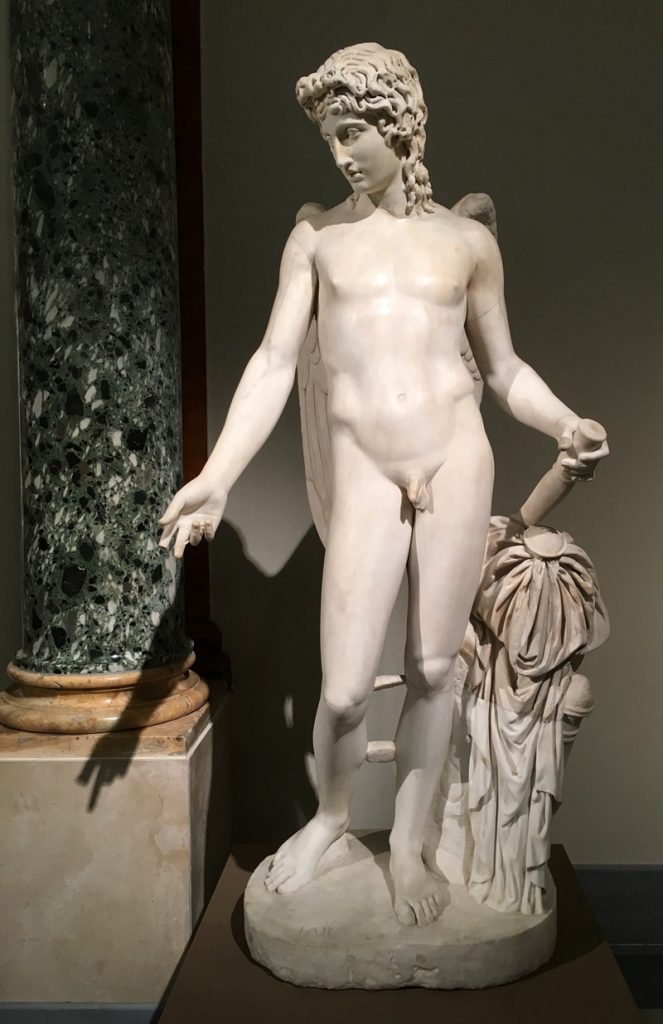
- Eros— God of Love, the Little Cupid: The devoted son of Aphrodite, known to most as Cupid. As a secondary core deity of the Olympian system, he governs love, fate, and the spark of feeling between gods and mortals alike.
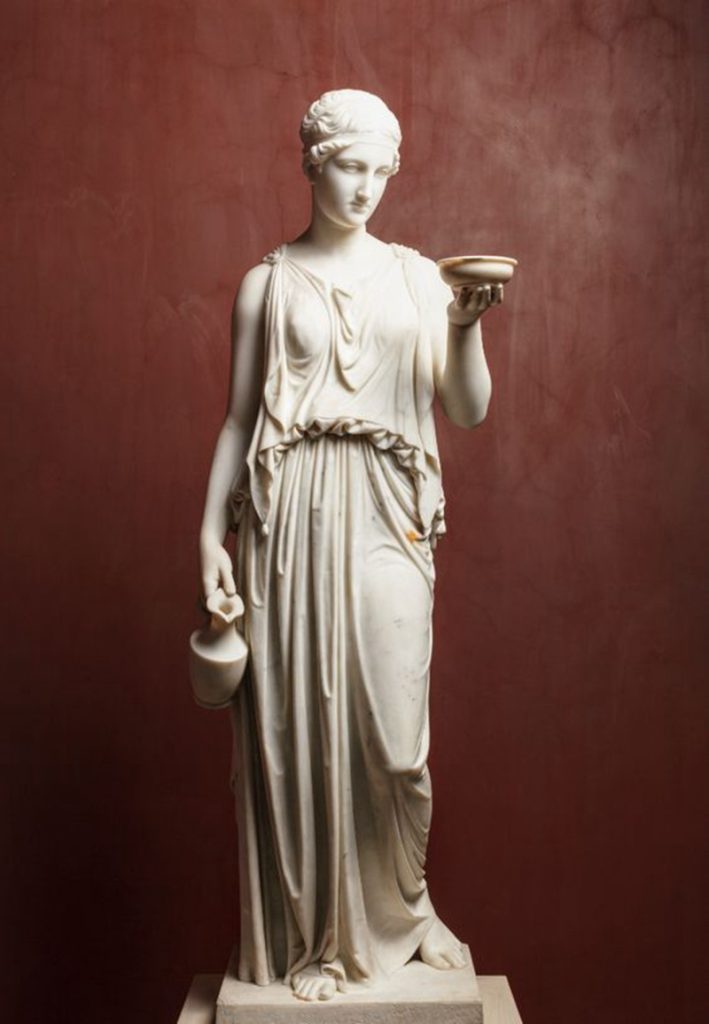
- Hebe— Goddess of Youth: Daughter of Zeus and Hera, and cupbearer to the gods of Olympus — responsible for pouring nectar and attending the divine assembly. She presides over youth, vitality, beauty, and eternal vigor.
- Iris— Goddess of the Rainbow, Divine Messenger: The bridge between heaven and earth, traveling the rainbow as her path to carry divine will and blessings to the mortal world, while also governing light and hope.
- The Moirai (The Three Fates): The supreme secondary divine powers governing the destiny of all things — not even the major gods can escape their decree. The three sisters are responsible for the birth, continuation, and severing of life’s thread, embodying fate and cosmic order.
The Demigod Heroes
(Children of gods and mortals — legends of the human world)
The demigod heroes were born of unions between Olympian gods and mortal humans. They carry the extraordinary power of the divine alongside the flesh-and-blood emotions of humanity, making them the central protagonists of Greek mythology. They champion justice, slay monsters, and leave behind countless legendary epics — symbols of strength, courage, and righteousness. Their sculptures center on power and narrative, and are deeply beloved by sculpture enthusiasts.
- Heracles (Hercules)— Son of Zeus, the greatest hero of Greek mythology. Renowned for his Twelve Labors, he represents ultimate strength, perseverance, and fearlessness.
- Perseus— Son of Zeus, famous for slaying Medusa and rescuing the princess — a symbol of justice, bravery, and wisdom.
- Theseus— The legendary hero of Athens, who solved the Labyrinth of the Minotaur and safeguarded his city-state, representing duty, wisdom, and courage. He is the symbol of civic civilization and the spirit of the hero.
The Enduring Legacy: Why Greek Marble Deity Sculptures Are Timeless Artistic Classics
From the primordial cosmic forces of the first-generation creator gods, to the raw and elemental power of the Titans, to the orderly beauty of the Twelve Olympians, and on to the vivid diversity of secondary deities and demigod heroes — the complete Greek divine genealogy unfolds in clear, traceable layers, each generation giving way to the next. Every god and every hero carries a distinct personality, domain, and story, matched by a unique artistic image all their own.
Ancient Greek craftsmen chose marble as their medium. Through the stone’s warm, refined texture and its naturally luminous grain, they permanently captured the majesty, grace, power, and spirit of the gods. Compared to other materials, marble perfectly recreates the lines of musculature, the flow of draped fabric, and the subtle life of expression — rendering the divine beauty and human truth of mythology with unmatched fullness.
Whether it is the commanding presence of a major deity, the elegant refinement of a goddess figure, or the raw dynamism of a hero statue, every Greek marble sculpture is a threefold fusion of mythological heritage, humanistic aesthetics, and the art of natural stone. Each one is equally suited to collecting and appreciation, to spatial adornment, and to serving as an enduring vessel for a classical art tradition thousands of years in the making.